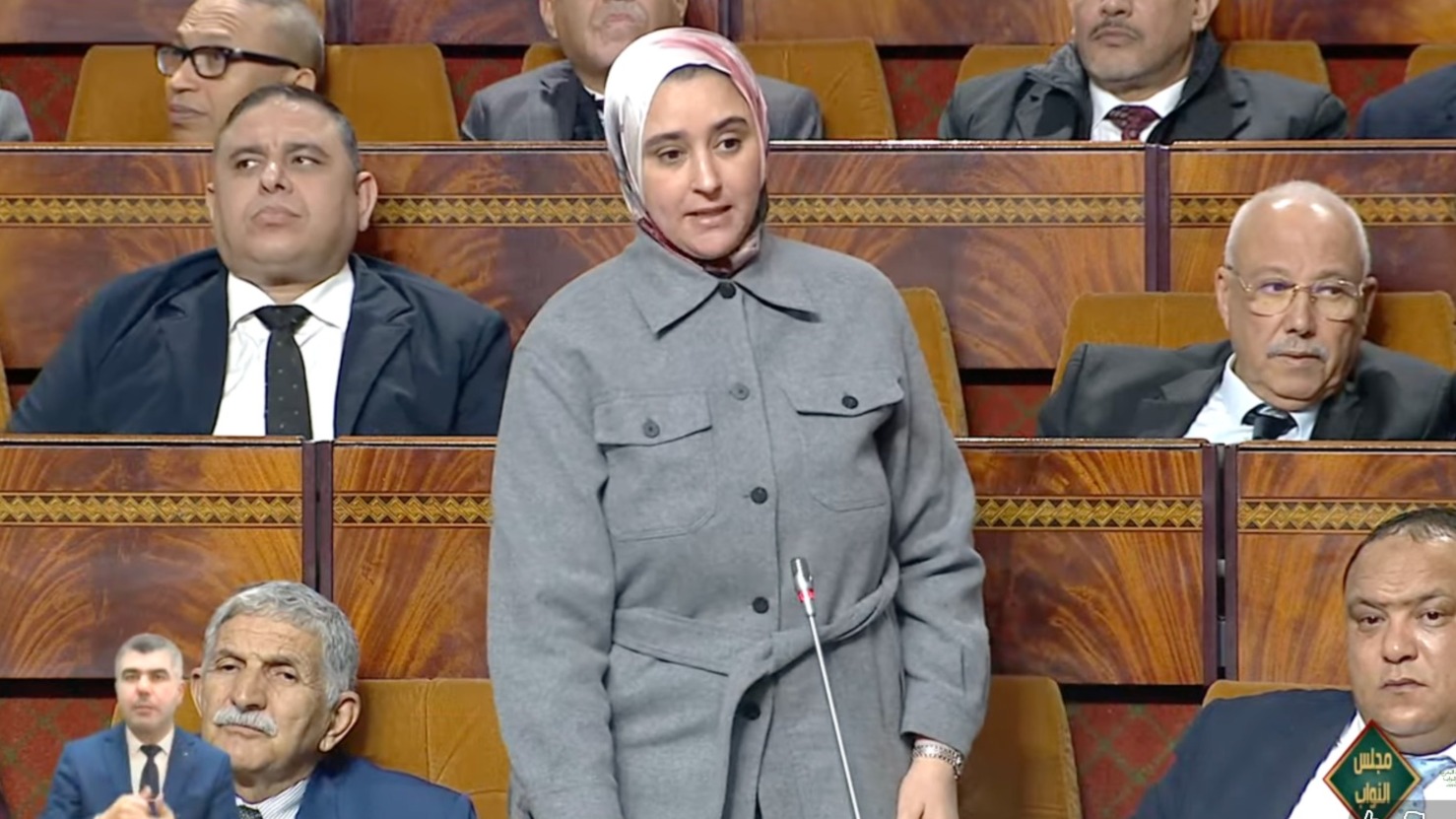
تطرقت؛ عضو الفريق النيابي لحزب الأصالة والمعاصرة حنان الماسي؛ في مداخلة لها خلال جلسة الأسئلة الشفوية المنعقدة اليوم الاثنين 12 يناير الجاري، والموجهة إلى وزير التجهيز والماء، (تطرقت) إلى الوضعية الحالية للسدود المغربية، ومآل إنجاز باقي المشاريع المبرمجة في إطار السياسة الوطنية للماء.
وأبرزت الماسي أن التساقطات المطرية والثلجية الأخيرة، ولله الحمد، التي عرفتها مختلف جهات وأقاليم المملكة، أسهمت بشكل ملموس في الرفع من منسوب حقينة السدود، مشيرة إلى أن البيانات الرسمية الواردة في التقارير اليومية لمديرية البحث والتخطيط المائي التابعة لوزارة التجهيز والماء تؤكد تسجيل طفرة نوعية ومبشرة في الوضعية المائية بالمغرب.
ورغم هذه المؤشرات الإيجابية، شددت الماسي على أن الحكومة تظل مطالبة بتسريع وتيرة تنفيذ برنامجها الطموح لبناء السدود، ومعالجة الإشكاليات المرتبطة بالتأخر المسجل في إنجاز عدد من السدود الكبرى، لما لذلك من انعكاسات مباشرة على الأمن المائي والوقاية من المخاطر الطبيعية.
وفي هذا السياق، نبهت الماسي إلى الوضعية الخاصة التي تعرفها تارودانت الجنوبية، التي تم استثناؤها من برمجة مشاريع السدود، على عكس إقليم تزنيت الذي استفاد من برمجة إنجاز سبعة سدود، معتبرة أن هذا التفاوت يطرح تساؤلات مشروعة حول معايير توزيع المشاريع المائية بين الأقاليم.
وطالبت الماسي ببرمجة إنجاز سدين جديدين بالمنطقة؛ الأول على واد رغيتا، بهدف حماية عدد من الجماعات الترابية من مخاطر الفيضانات، خاصة في ظل الكثافة السكانية المهمة والنشاط الفلاحي المكثف الذي يميز المنطقة، والثاني على واد البيض، من أجل حماية جماعات أخرى من الفيضانات وتعزيز الأمن المائي المحلي.
وختمت الماسي مداخلتها بالتأكيد على أن تسريع إنجاز السدود، وتدارك الخصاص المجالي في هذا المجال، يشكلان ركيزة أساسية لتحقيق العدالة المجالية وضمان استدامة الموارد المائية، في سياق يتسم بتزايد التحديات المناخية.
خديجة الرحالي