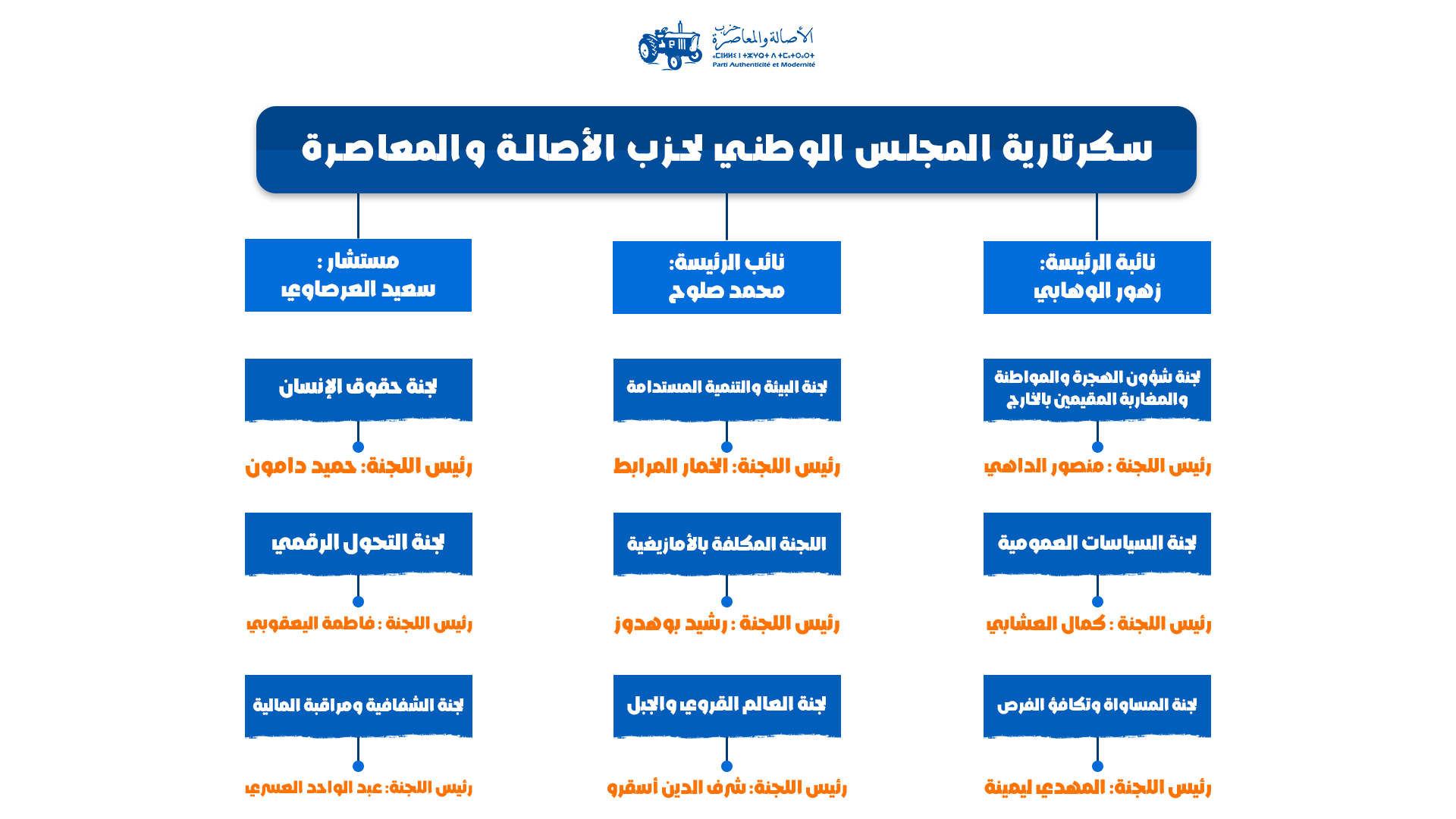
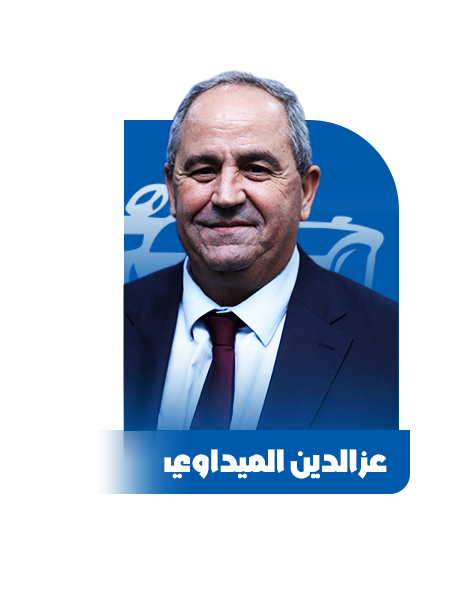
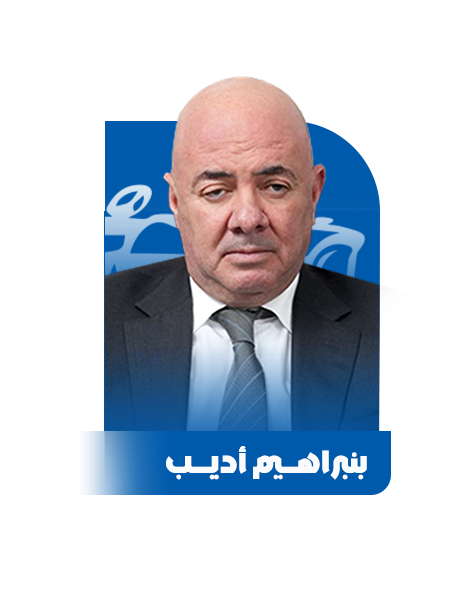
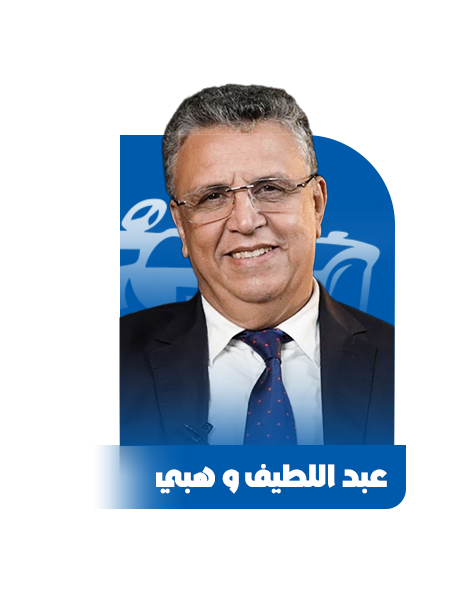
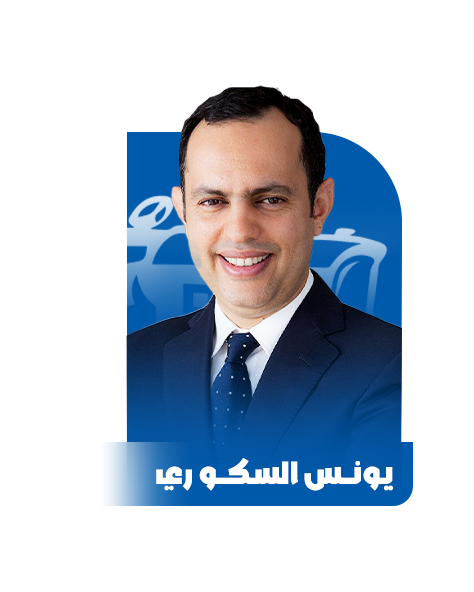
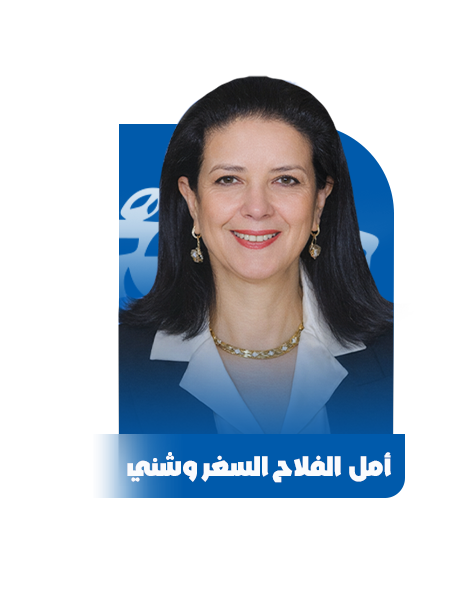
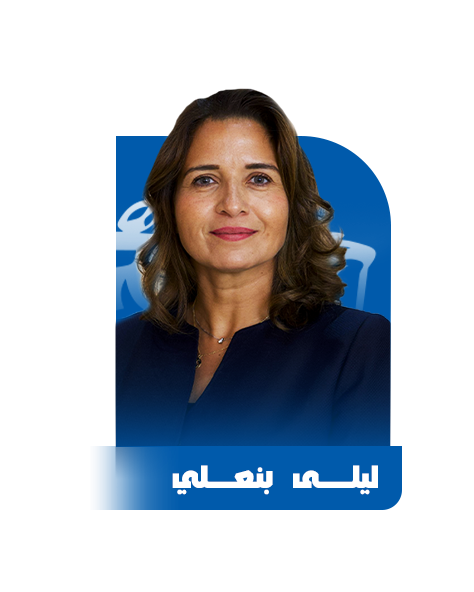
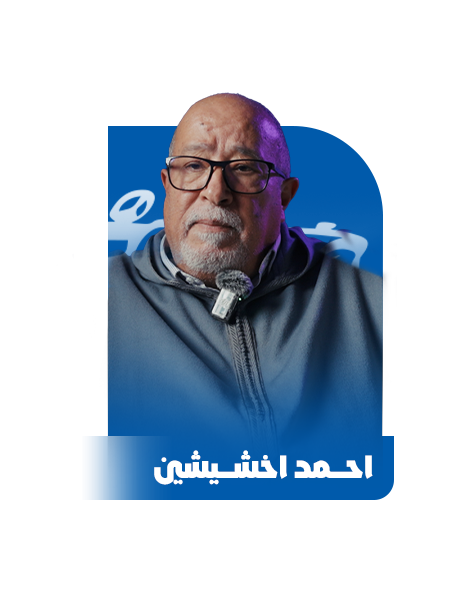
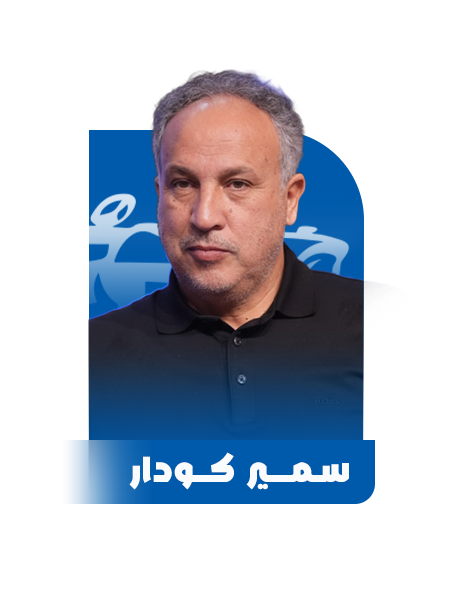
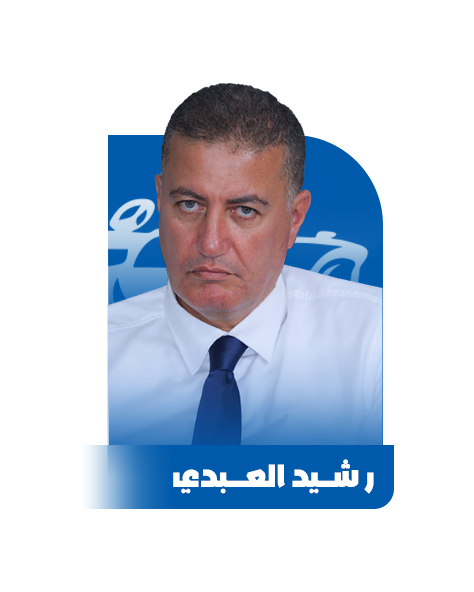
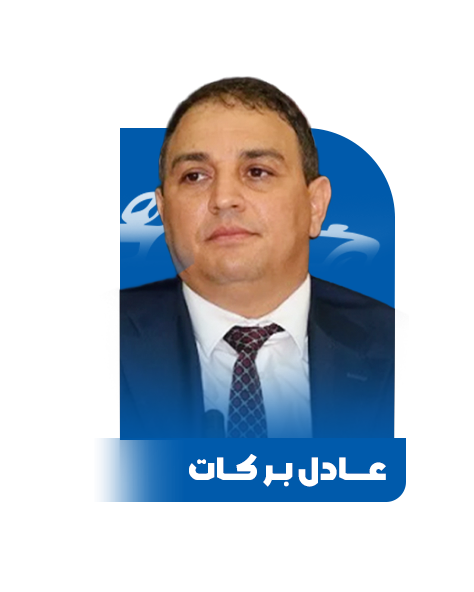
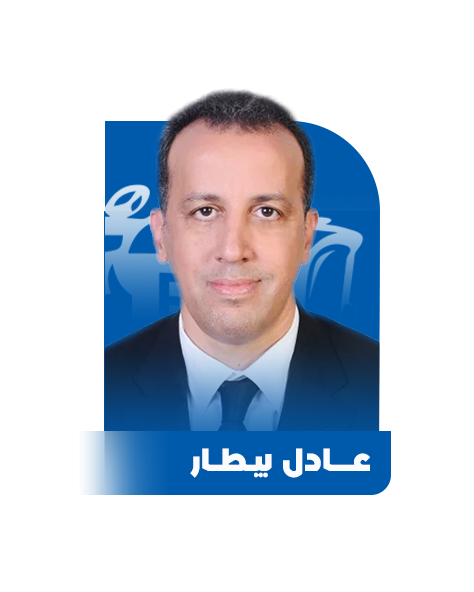
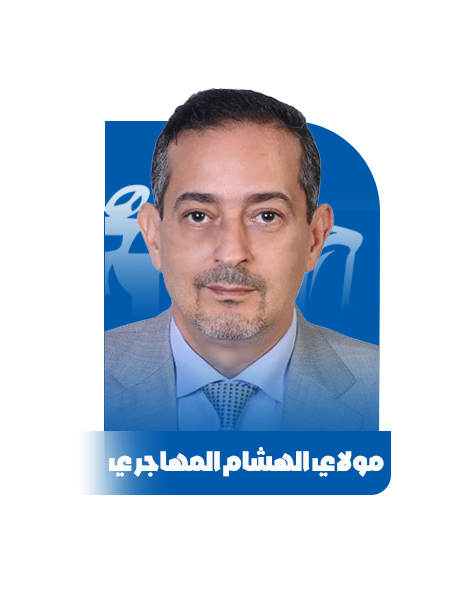
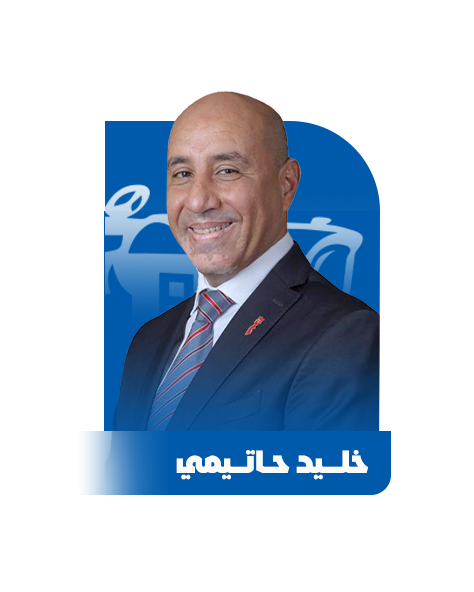
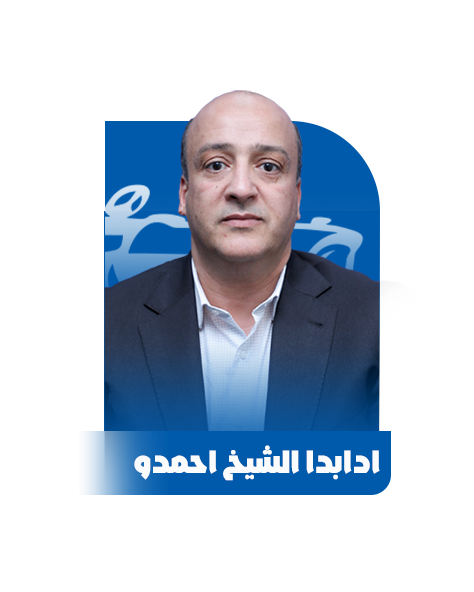
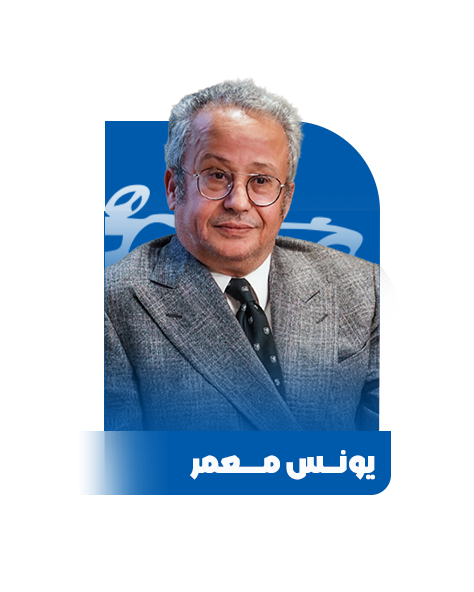
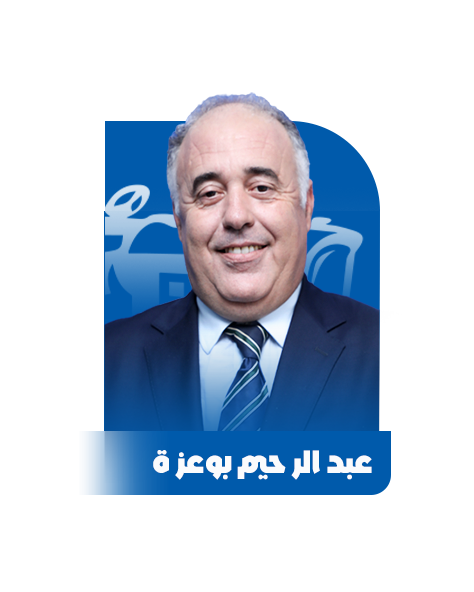

Political Bureau


Party documents
National Council
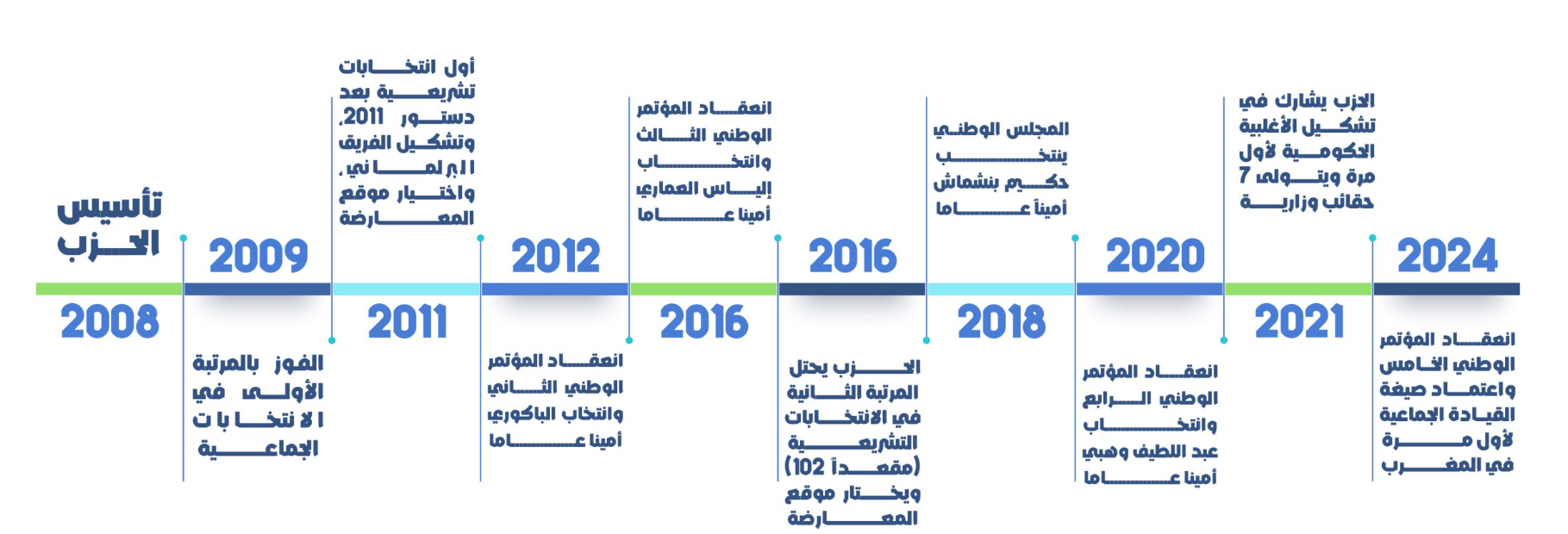
2008
Founding of the party
2009
Coming first in the local elections
2011
The first parliamentary elections after the adoption of the 2011 Constitution, the formation of the parliamentary group, and the decision to join the opposition
2012
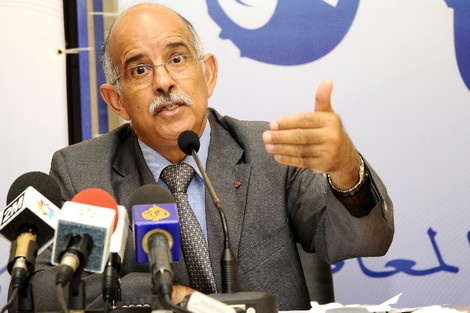
The second National Congress is held, and Bakouri is elected Secretary-General
2016
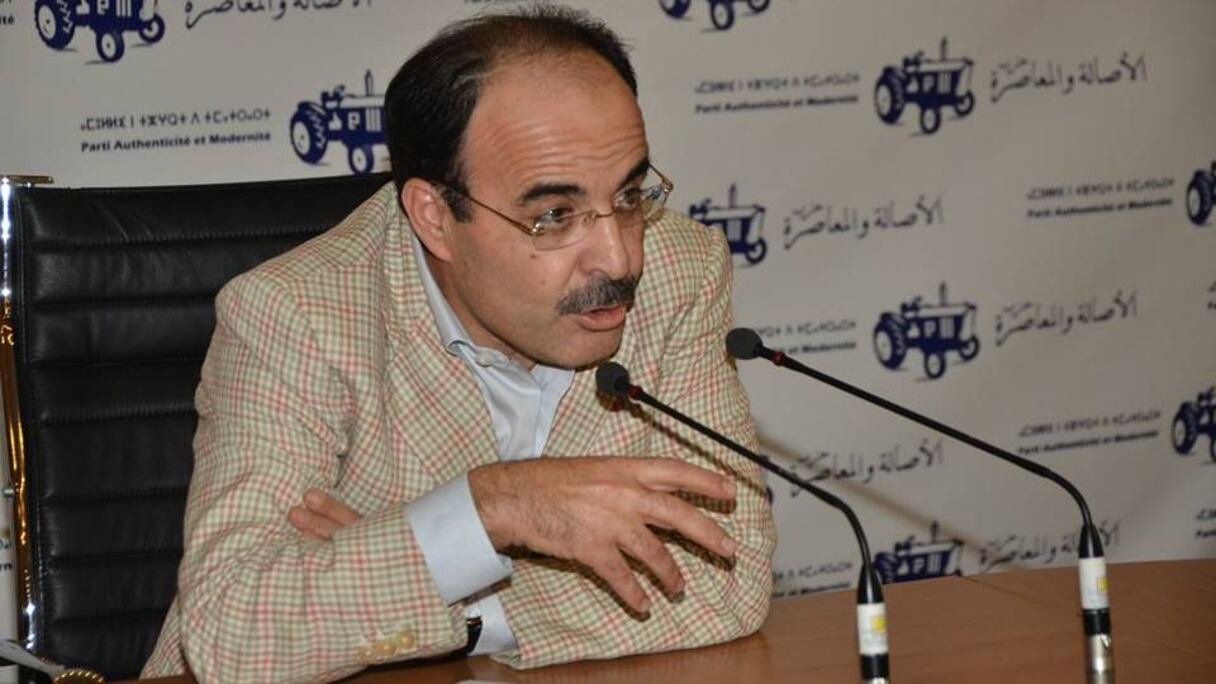
The third National Congress is held, and Ilyas El Omari is elected Secretary-General
2016
The party comes second in the parliamentary elections, winning 102 seats, and chooses to join the opposition
2018
The National Council elects Hakim Benchamach as Secretary-General
2020
The fourth National Congress is held, and Abdellatif Ouahbi is elected Secretary-General
2021
For the first time, the party joins the formation of the government majority and secures 7 ministerial portfolios

2024
The fifth National Congress is held, and a collective leadership model is adopted for the first time in Morocco
The Party of Authenticity and Modernity (PAM) was founded in 2008 as a new political formation, with the aim of renewing the country’s party-political landscape by bringing together Moroccan authenticity and the values of modernity and democracy. Since its establishment, the party has gone through several major political and organizational milestones, both through its national congresses and its participation in electoral contests
The Party’s Reference Framework
The Party of Authenticity and Modernity draws its guiding principles from the foundational constants of the Moroccan nation: constitutional monarchy, moderate and balanced Islam, and national and territorial unity. Its political project is based on combining authenticity, with its values and identity deeply rooted in Moroccan history, with modernity, understood as openness to the values of democracy, modernity, and universal human rights
The influence of the Equity and Reconciliation Commission and the Fifty-Year Report
The party’s guiding political thought took shape under the influence of the work of the Equity and Reconciliation Commission, which established a culture of transitional justice and linked reconciliation to strengthening trust between the state and society. The party also drew inspiration from the Fifty Years of Human Development Report, which provided an objective assessment of half a century of public policies and emphasized the need for a new development model that places people at the heart of decision-making
Social democracy as a political choice
Ideologically, the party embraces social democracy as an approach that combines:
● Individual freedom and economic initiative.
● Social justice and solidarity across social groups and regions
● A creative market economy and a welfare state that safeguards rights
Core values of the reference framework
Defending freedoms as a fundamental pillar of any democratic system
● Strengthening social justice and combating all forms of exclusion and marginalization
● Upholding equality between women and men and ensuring their effective participation in public life
● Engaging young people as a driving force for ideas and active contributors to shaping the future
● Strengthening advanced regionalization as a strategic choice to achieve balanced development
● Placing human rights, in all their dimensions, at the heart of public policies
Party News
Join now