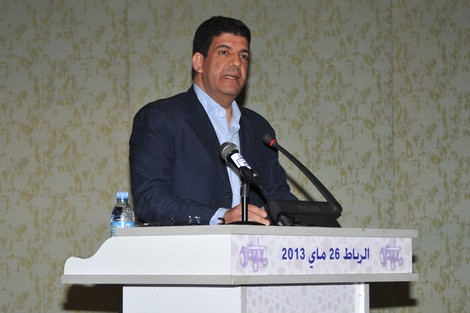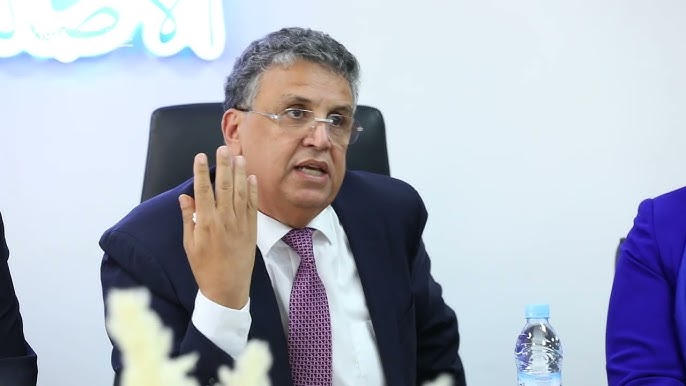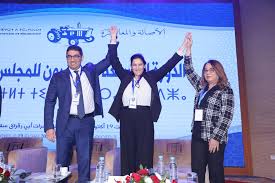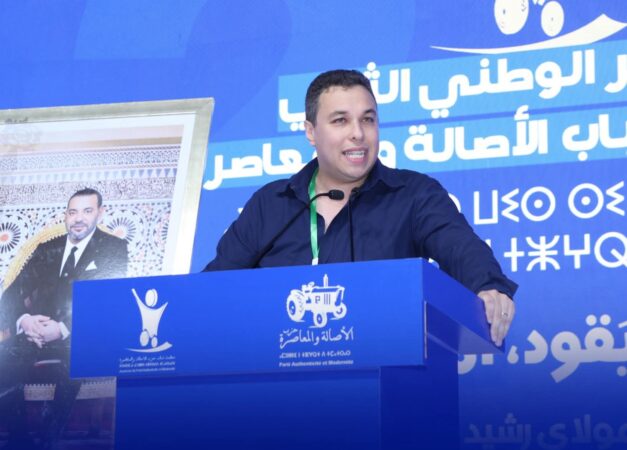

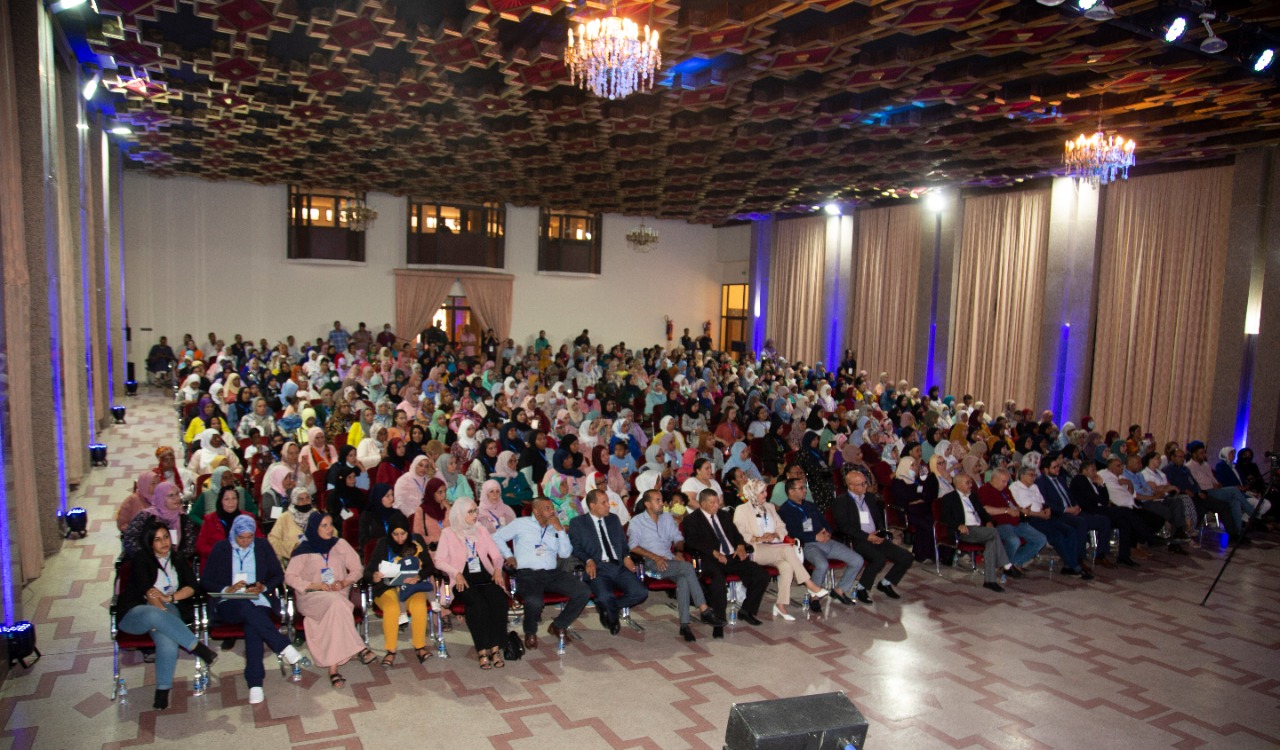
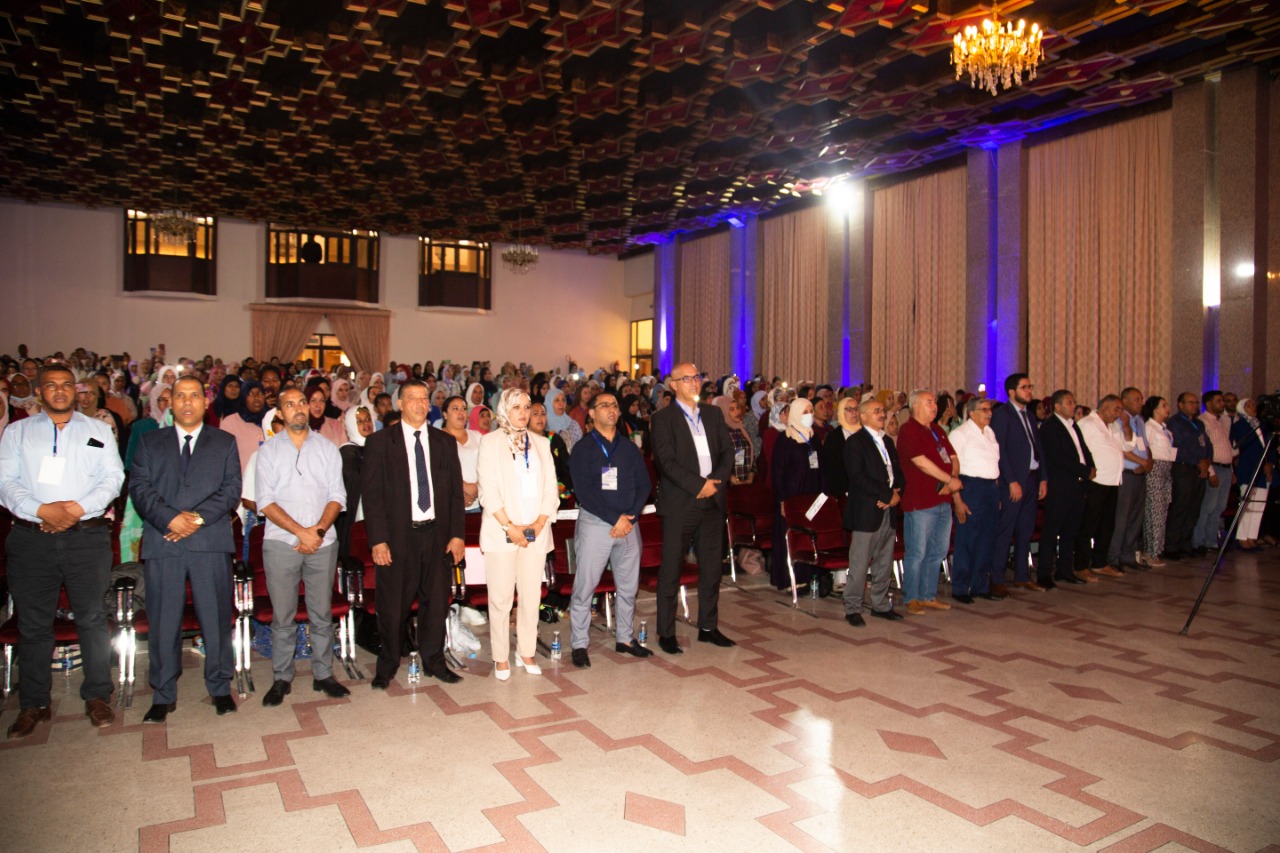
قال الأمين العام لحزب الأصالة والمعاصرة، عبد اللطيف وهبي، خلال اللقاء التواصلي الجهوي لنساء البام بجهة درعة تافيلالت المنظم اليوم السبت 18 يوليوز 2022 بمدينة ورزازات، إن هذه المحطة النضالية تندرج ضمن سلسلة اللقاءات التواصلية التي تعقدها قيادة الحزب رفقة المرأة البامية، والتي تميزت بنجاحات كبيرة داخل عدة جهات.
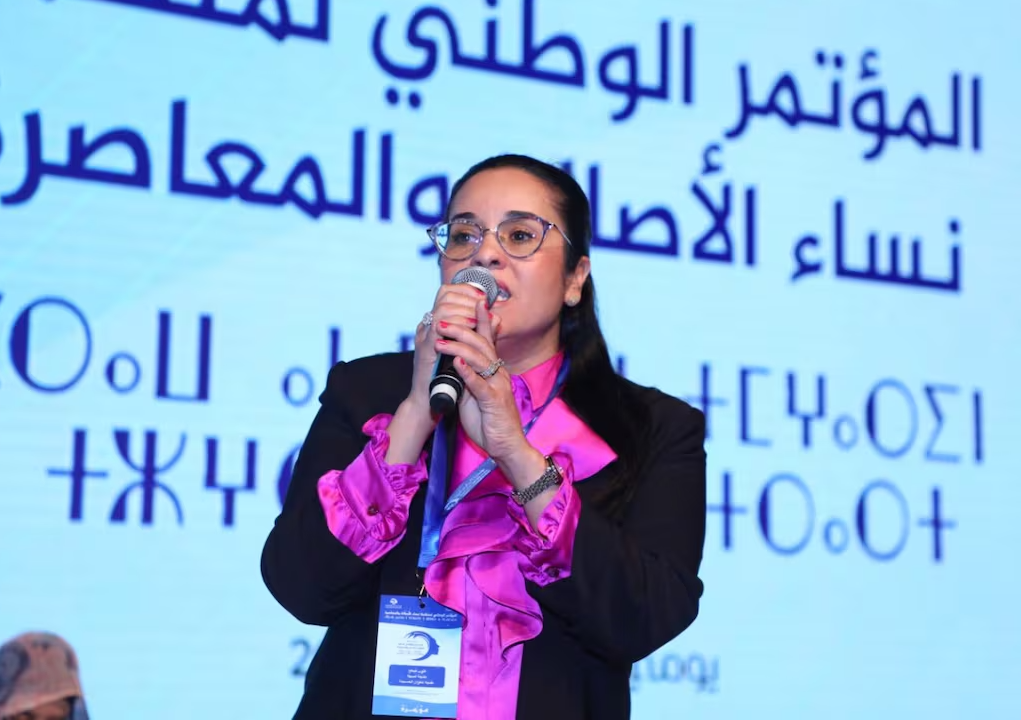
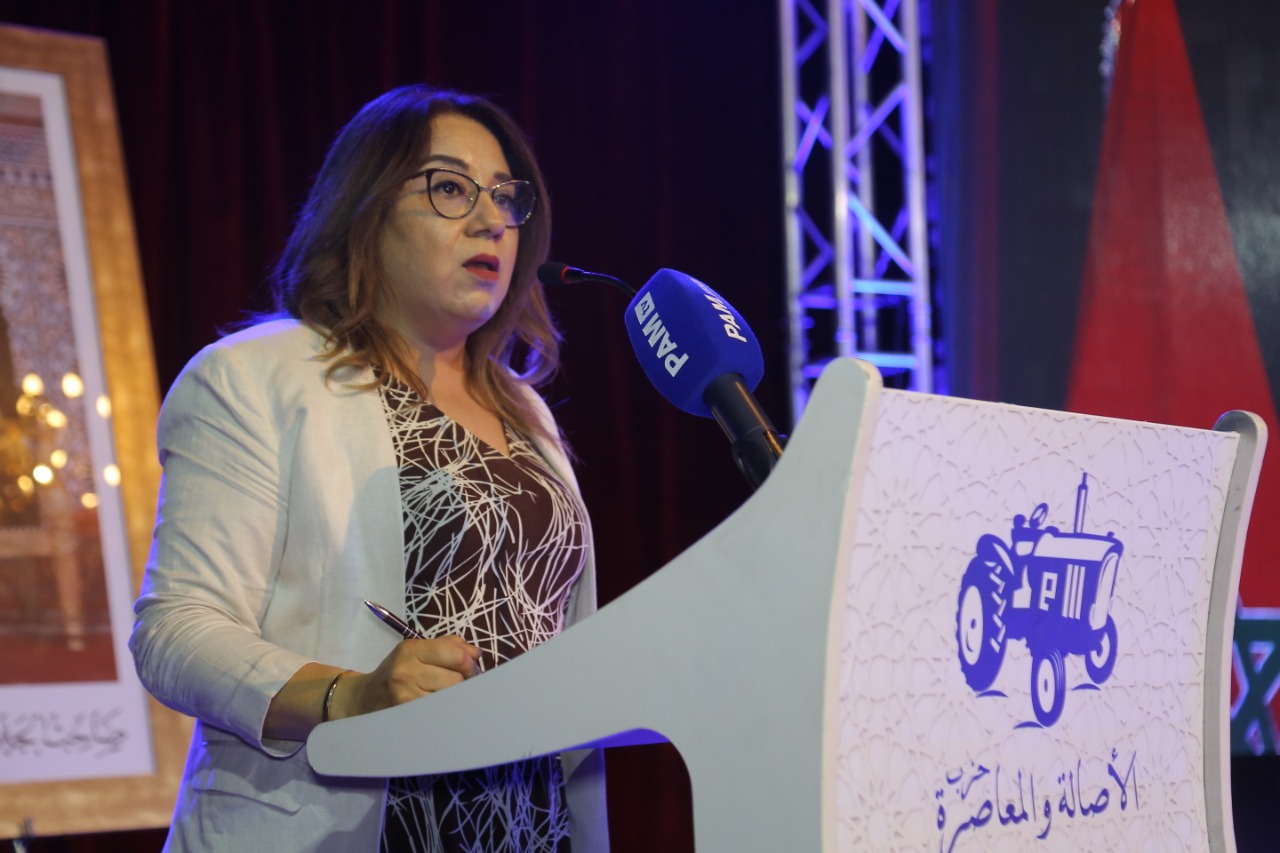
وأضاف وهبي، في كلمة تلتها نيابة عنه فاطمة السعدي، عضو المكتب السياسي ونائب الأمين العام للحزب، “آخر هذه اللقاءات اللقاء النسائي البامي الهام الذي عقدته قيادة الحزب مع مناضلات جهة كلميم واد نون، الجهة العزيزة على قلوبنا، والتي برهنت خلالها مناضلات البام على وعيهن السياسي الكبير، وتمسكهن العميق بتنظيم حزبهن، رغم المحاولات الفاشلة لبعض الأطراف السياسية الخارجة عن حزب الأصالة والمعاصرة، التي أرادت بسوء نية التشويش على هذا اللقاء الهام الذي غابت عنه الأمانة العامة للحزب لأسباب طارئة”.
وأشاد الأمين العام، بالمناسبة، بقوة تمسك مناضلات ومناضلي الجهة بتنظيم الحزب، معلنا تبني هذا الأخير التوصيات العميقة والهادفة التي صدرت عن هذا اللقاء، الرامية إلى خلق حوار متواصل مع قيادة الحزب، وغيرها من الرسائل التي وجهها هذا اللقاء المتميز، والذي فند من خلاله مناضلو ومناضلات جهة كلميم واد نون كل الإشاعات الماسة بوحدة الصف البامي، وكسروا بنجاحه شوكة أعداء الحزب المتربصين به في الجهة وفي الوطن ككل.
وفي هذا السياق، ثمن كذلك وهبي عاليا لقاء جهة كلميم واد نون وجميع لقاءات المرأة البامية التي عقدت بباقي الجهات، وعلى رأسها لقاءات كل من جهة الرباط سلا القنيطرة، وجهة الدار البيضاء سطات، وجهة مراكش آسفي، وجهة فاس مكناس، وجهة سوس ماسة، وجهة طنجة تطوان الحسيمة، مؤكدا أن لقاء اليوم يأتي بهدف التداول في أنجع السبل لتأسيس إطار حزبي نسائي فعال ومستقل، يكون مشتلا لاقتراح الأفكار الكفيلة بتعزيز حضور المرأة في مختلف المجالات، وقوة ضغط وفرض كل القيم الكفيلة بتعزيز حقوق المرأة المغربية، وبلورة الإجابات الممكنة، بعد استقراء شجاع وموضوعي للتجارب الجمعوية والحزبية السابقة، والتي تساعد الحزب كتوجه حداثي في بلورة الحلول القانونية والمؤسساتية والبرامجية الممكنة، طبعا في إطار احترام الثوابت الوطنية واختصاصات المؤسسات الدستورية، وفي إطار الشراكة والتعاون الوثيق مع مختلف الفاعلين والقوى الحية بالمجتمع.
واستطرد المتحدث ذاته قائلا، إن “هذا اللقاء ينعقد في ظرفية وطنية ودولية دقيقة، تتميز بالمزيد من الضغوط الاقتصادية، والإكراهات والصعوبات الاجتماعية الناجمة عن الارتفاع المهول في أثمنة المواد الأساسية بالسوق الدولية، والذي رغم الجهود الجبارة والاستثنائية، التي تقوم بها الحكومة للحد من تداعياتها على الوضع الاجتماعي والقدرة الشرائية للمواطن، إلا أن حدتها لاتزال تؤثر على الحياة اليومية للمواطنات والمواطنين، الأمر الذي يتطلب منا كحزب مسؤول المزيد من التضحية والنضال، والإبداع في الحلول، والإسهام من مواقعنا المختلفة في التخفيف من حدة هذه الصعوبات على المواطنين والمواطنات.
وزاد وهبي “نحن واعون اليوم أن ما تعانيه المرأة في جهة درعة تافيلالت وفي باقي المناطق الهشة، من إقصاء وتهميش وافتقادها بنسب مختلفة لشروط الحياة والعيش الكريمين، مضيفا أنه اذا كانت المرأة المغربية تعاني ما تعانيه خلال السنوات السابقة في ظروف اقتصادية واجتماعية عادية، فلنتصور القادم في ظل هذه الصعوبات الاقتصادية والاجتماعية الخارجية والداخلية، الأمر الذي سيكلفها المزيد من دفع ثمن فشلنا في الحد من هذه الفوارق التنموية، وفي التغلب على الثقافة الذكورية وكسر العديد من الطابوهات والأصنام الثقافية والفكرية والعادات البئيسة التي لا علاقة لها بتشريع البشر ولا بشريعة الله، والتي لن ترضى وتقبل باستفحال أكبر أرقام الفقر والهشاشة في صفوف المرأة المغربية، وأكثر نسب الأمية، والعنف والتهميش والإقصاء من أبسط الحقوق وعلى رأسها الحق في التعليم والصحة”.
ورزازات: سارة الرمشي/المصطفى جوار