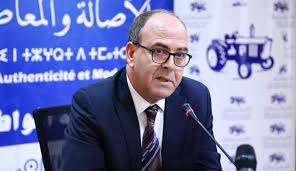
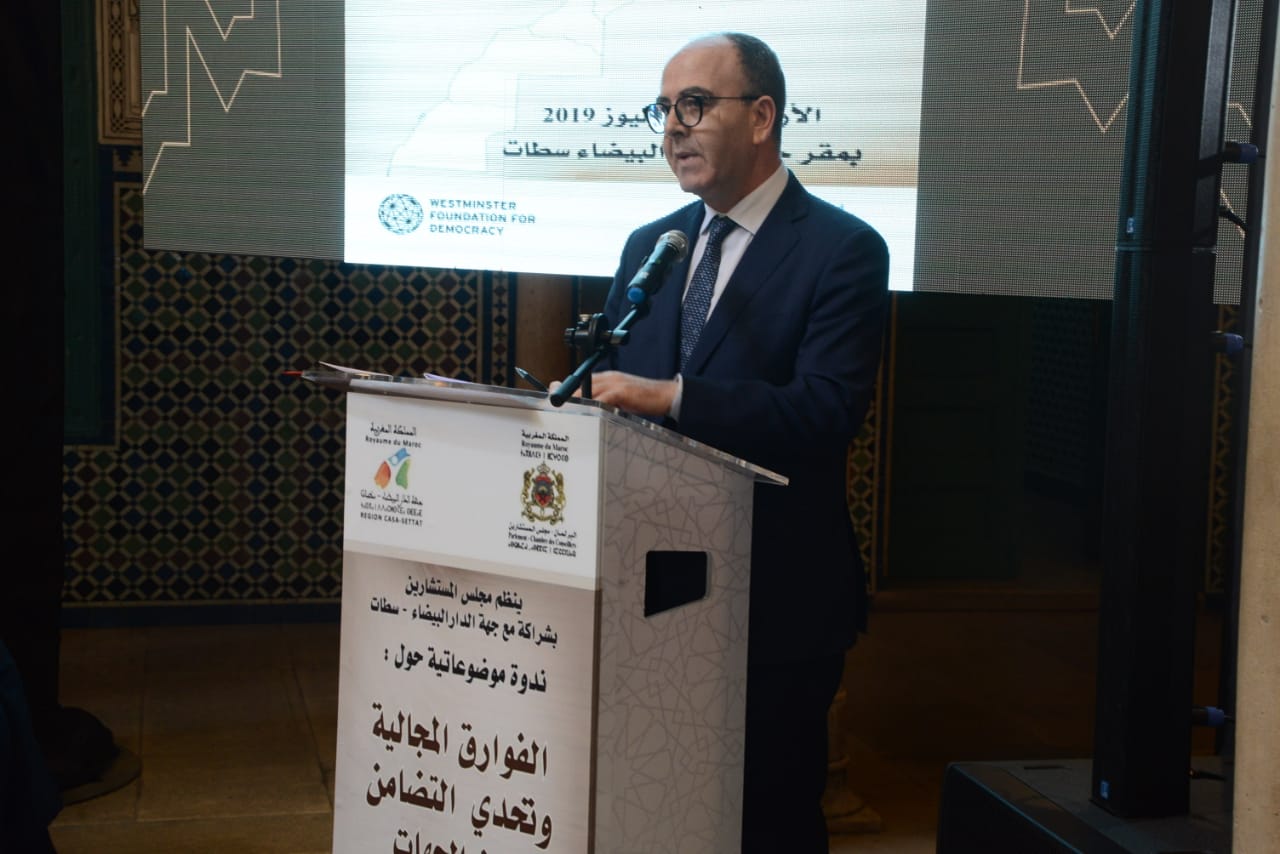
كلمة رئيس مجلس المستشارين السيد حكيم بن شماش
في أشغال الندوة الموضوعاتية حول
“الفوارق المجالية وتحدي التضامن بين الجهات”
3 يوليوز 2019
جهة الدار البيضاء-سطات
السيد رئيس مجلس جهة الدار البيضاء-سطات المحترم،
السيد وزير إعداد التراب الوطني والتعمير والإسكان وسياسة المدينة المحترم،
السيد الوالي المدير العام للجماعات المحلية المحترم،
زميلاتي زملائي البرلمانيون المحترمون،
السيدات والسادة ممثلي المؤسسات الدستورية والقطاعات الوزارية،
السيدات والسادة رؤساء وممثلي مجالس الجهات ومجالس العمالات والأقاليم ومجالس الجماعات،
حضرات السيدات والسادة؛
يطيب لي أن أفتتح أشغال هذه الندوة الموضوعاتية الجهوية التي ينظمها مجلس المستشارين ومجلس جهة الدار البيضاء-سطات، بشراكة مع جمعية رؤساء الجهات والجمعية المغربية لرؤساء مجالس العمالات والأقاليم والجمعية المغربية لرؤساء مجالس الجماعات، وبدعم من مؤسسة وستمنستر للديمقراطية ومؤسسة كونراد أديناور، في موضوع على قدر كبير من الأهمية، ذلك أن مسلسل تنزيل الجهوية المتقدمة، بما تشكله من عمق استراتيجي للتحول الاقتصادي والاداري ببلادنا وكذلك قاعدة صلبة لتحقيق نجاعة أكبر للسياسات العمومية، يبقى متعثرا وغير قادر على تقليص الفوارق المجالية ما بين الجهات وما بين المجالات الترابية داخل كل جهة على حدة.
والجدير بالذكر في هذا الصدد، أن العديد من الدراسات التي تم إنجازها من طرف مؤسسات وطنية محترمة، قد خلصت إلى ما يؤكد خطورة التفاوتات المجالية وانعكاساتها السلبية على مسلسل التنمية ببلادنا. ومن تلك الخلاصات، نذكر مثلا:
أن هناك تركيزا مجاليا قويا للأنشطة الاقتصادية، وضعفا في استثمار القدرات المجالية، بحيث أن 7 في المائة من المجال يساهم بـ58 في المائة من الناتج المحلي الإجمالي، إلى جانب اندماج ضعيف للمخططات الحضرية (خلاصة لدراسة أنجزها قطاع إعداد التراب الوطني والتعمير والإسكان وسياسة المدينة)؛
أن أربع جهات فقط تساهم بأزيد من 62% من نمو الاقتصاد الوطني، وجهة واحدة تساهم بحوالي 48% من نمو الناتج الداخلي الخام ببلادنا (خلاصة أصدرتها وزارة الاقتصاد والمالية)؛
وحري بالذكر أيضا، أنّ المدّة التي تحتاجها بلادنا للتقليص من الفوارق الجهوية الحالية إلى حدود النّصْف، حسب تحليل أجرته المندوبية السامية للتخطيط، تبلغ حواليْ 24 سنة.
حضرات السيدات والسادة،
إن النموذج التنموي المغربي الذي نطمح إليه جميعا، والذي هو قيد إعادة النظر والبناء التشاركيين، يتأسس على العدالة الاجتماعية، وعلى ضمان الولوج الفعلي إلى الحقوق الاقتصادية والاجتماعية والثقافية والبيئية، وعلى المساواة بين الجنسين، وعلى إيلاء الأولوية القصوى للفئات الهشة وللإدماج الاقتصادي والاجتماعي للشباب عبر التكوين والتشغيل وإيجاد حلول عملية لمشاكلهم الحقيقية، وخاصة في المناطق القروية والأحياء الهامشية والفقيرة. وهي أسس لن تجد تجسيدها الواقعي إلا عبر تحقيق هدفين متلازمين ومترابطين: الحد من الفوارق الطبقية ومعالجة التفاوتات المجالية.
غير أن تحقيق هذين الهدفين يتوقف على الالتزام، رؤية، وبرمجة، وتنفيذا، ومتابعة، وتقييما، بأن يجد النموذج التنموي الوطني أبعاده الخاصة بكل مجال ترابي في انسجام مع الرؤية الشاملة التي يقوم عليها النموذج الوطني، كما يتطلب أيضا استثمارا أقصى لكل الإمكانيات التي تتيحها المنظومة القانونية الجديدة للجماعات الترابية، وتنشيط آليات التمثيل والوساطة والآليات التشاركية على المستوى الترابي.
لذلك فنحن مدعوون لتسريع الانتقال الاداري والتقني من المركز للجهات، والسعي نحو تطوير نماذج تنموية جهوية مبتكرة تنسجم مع الجيل الجديد للحقوق الاقتصادية والاجتماعية والثقافية والبيئية.
حضرات السيدات والسادة،
إن هذه الرؤية التي تربط بين العدالتين الاجتماعية والمجالية، بوصفها أساس النموذج التنموي المغربي قيد البناء، تجد مرتكزاتها المعيارية على الخصوص في أحكام الفقرة الثالثة من الفصل 35 من الدستور التي تحدد طبيعة الالتزام الإيجابي للدولة بالعمل على ” تحقيق تنمية بشرية مستدامة، من شأنها تعزيز العدالة الاجتماعية”، وهو التزام يأتي إعمالا لاختيار العدالة الاجتماعية كإحدى دعامات المجتمع المتضامن، المحددة عناصره في التصدير الذي يشكل جزءا لا يتجزأ من الدستور.
إن هذه الالتزامات الإيجابية والأهداف ذات الطبيعة الدستورية ينبغي إدراكها في علاقة بالمبادئ الدستورية المتعلقة بالجهات والجماعات الترابية، ولا سيما مساهمة الجهات وباقي الجماعات الترابية في تفعيل السياسة العامة للدولة وفي إعداد السياسات الترابية من خلال ممثليها في مجلس المستشارين.
ومن تم فإن رفع تحدي استثمار الإمكانيات المعيارية المشار إليها يتوقف على تقديم إجابات ذكية ومبتكرة على عدد من الأسئلة العملية المتعلقة أساسا ب:
كيف يمكن استثمار برامج التنمية الجهوية، والتصاميم الجهوية لإعداد التراب، وآليات الشراكة بين القطاعين العام والخاص، والتعاون اللامركزي، والآليات التشاركية للحوار والتعاون، والآليات الجهوية لتنفيذ المشاريع والبرمجة المالية متعددة السنوات، من أجل بناء نماذج تنموية على المستوى الترابي، تضمن تحقيق العدالة والإنصاف ما بين الجهات، وما بين الوحدات الترابية المتواجدة داخل نفس الجهة؟
كيف يمكن استثمار آليات التشخيص والتخطيط الترابيين من أجل الحد من التفاوتات الاجتماعية والاختلالات المجالية على المستوى الجهوي وفيما بين الجهات، وكيف يمكن إعمال آليتي صندوق التأهيل الاجتماعي وصندوق التضامن بين الجهات لتحقيق هذه الأهداف، خاصة عبر تعبئة الموارد المالية الضرورية لهذا الغرض؟
كيف يمكن استثمار ورش أهداف التنمية المستدامة 2030، باعتباره أحد الفرص الواعدة لتقوية المناعة الاقتصادية والاجتماعية والبيئية على المستويين الوطني والجهوي، من أجل التوطين الترابي للأهداف الأممية السبع عشرة، وضمان تنفيذ ناجع للأهداف وتتبع محكم على المستوى الجهوي، بشكل من شأنه أن يمكن بلادنا من التموقع الدولي المشرف كأحد الدول القلائل التي راهنت على منظومتها الجهوية لتمكين كل المناطق والمواطنات والمواطنين من الاستفادة من هذه الأهداف الاستراتيجية لمستقبل البشرية؟
كيف يمكن تقوية مكانة اللجان الجهوية لمناخ الأعمال (CREA)، باعتبارها مبادرة مهمة وذكية لتعزيز جودة مناخ الأعمال الجهوي، وذلك من أجل تعزيز تصنيف بلادنا في المؤشر العالمي لجودة مناح الأعمال دوين بيزنيس (Doing Business)، خصوصا وأن هذا التصنيف أصبح يقدم تصنيفا جهويا منذ السنة الماضية؟
حضرات السيدات والسادة،
تلكم بعض الهواجس والأسئلة التي وددت تقاسمها معكم. واسمحوا لي، في ختام هذه الكلمة، أن أوجه الشكر لمجلس جهة الدار البيضاء-سطات، رئيسا وأعضاء، على التفاعل السريع مع توصيات الملتقى البرلماني للجهات عبر الانخراط في التنظيم المشترك لهذه الندوة الموضوعاتية.
والشكر موصول أيضا لكافة المؤسسات والهيئات الدستورية والقطاعات الوزارية وكل الفعاليات على المشاركة في هذه الندوة.
كما أوجه الشكر لكافة وسائل الإعلام التي حضرت لتواكب فعاليات هذه الندوة بالاحترافية المعهودة.
أتمنى لأشغال ندوتنا هاته كامل التوفيق والنجاح، وآمل أن تفضي إلى توصيات واقتراحات عملية يمكن الاستناد إليها في بلورة مبادرات تشريعية ورقابية دعما لمسار التنزيل الفعلي للجهوية المتقدمة.
وشكرا على حسن الإصغاء.