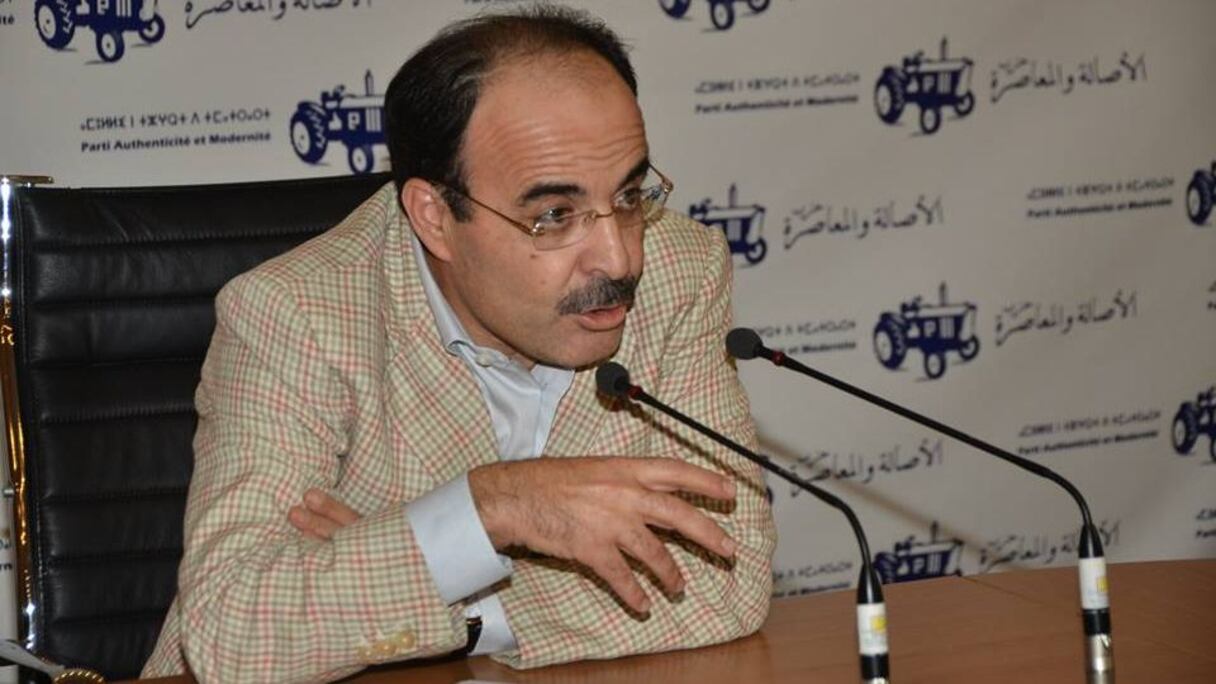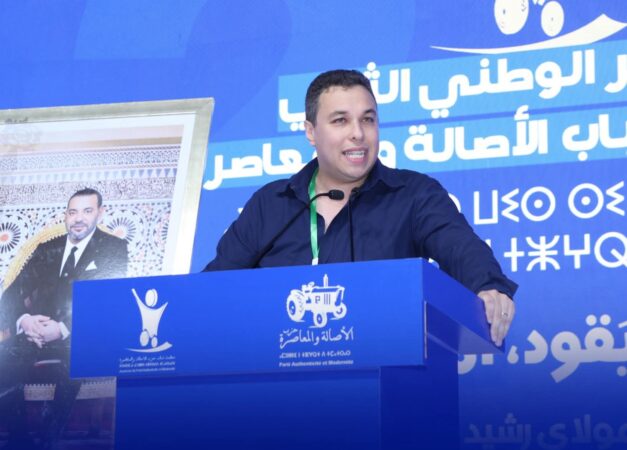

قال علي لطفي، الكاتب العام للمنظمة الدينقراطية للشغل، “إن المغاربة بشكل عام كانوا في مستوى المسؤولية والصبر والالتزام، وبذلوا إلى جانب السلطات الأمنية والصحية مجهودا في مكافحة فيروس كورونا المستجد، وحصلنا على نتائج تاريخية من خلال مؤشرات عدد المتعاطفين ونسبة الوفيات وزمن التعافي كأفضل معدلات في العالم”.
وأضاف لطفي، في حوار مع صحيفة “المساء”، “الأرقام التي يتم الإعلان عنها اليوم في عدد من المدن من خلال الكشف عن بؤر أسرية أو صناعية أو فلاحية، فهي أرقام ليست مفاجئة بالنسبة إلى صناع القرار في قطاع الصحة بلجنته العلمية والتقنية، لأن من بين أسبابها التأخر الذي حصل في عملية التشخيص والكشف المبكر الذي اعتمدته بلادنا منذ البداية ولمدة أزيد من شهرين، باعتمادها فقط على مختبرين مرجعيين بحصة يومية لا تتجاوز 200 كشف مخبري”.
وأردف ذات المتحدث، “الآن خدمات الكشف المخبري تصل إلى 29 ألف كشف يومي من طرف 24 مختبرا، وبالتالي هذه المنهجية سمحت بانتشار الفيروس وسط عدد كبير من المواطنين، وهو ما يفسر هذه الأرقام وربما ستزداد مع عملية الكشف المبكر الجماعي في الوحدات الصناعية والورشات الفلاحية”، مبرزا “تحذيرات وزارة الصحة تبقى ذات أهمية لتفادي انتشار الفيروس وسط الأشخاص المسنين والمصابين بأمراض مزمنة، المهددين أكثر بخطورة فيروس كورونا للحفاظ على أرواح الناس”.
وزاد علي لطفي، “هناك عوامل متعددة تساهم في عملية التراخي التي تعرفها عدة أحياء ومدن ووحدات صناعية ولدى بعض الساكنة، سواء بعدم التزامها بالتباعد الاجتماعي وإهمال استعمال الكمامات أو الاستهتار بها أو حتى نظافة اليدين، منها العوامل الاجتماعية خاصة في أماكن معروفة بالاكتشاف كالأسواق التجارية ولدى الشباب الذي لا يعير أي اهتمام للبعد الاجتماعي، فضلا عن العوامل الثقافية التي ترسخت في تعاملنا الأُسَري والبيئي، وهي تقاليد من الصعب التخلي عنها في ظرف وجيز رغم التحذيرات”، مضيفا “وبالتالي لابد من التأثير أيضا على العوامل الاجتماعية والثقافية بتكثيف الجهود لمحاولة إعادة إنعاش الاقتصاد الوطني الذي دخل في ركود غير مسبوق وفتح المجال للمواطنين لكسب عيشهم وإعالة أسرهم”.
سارة الرمشي