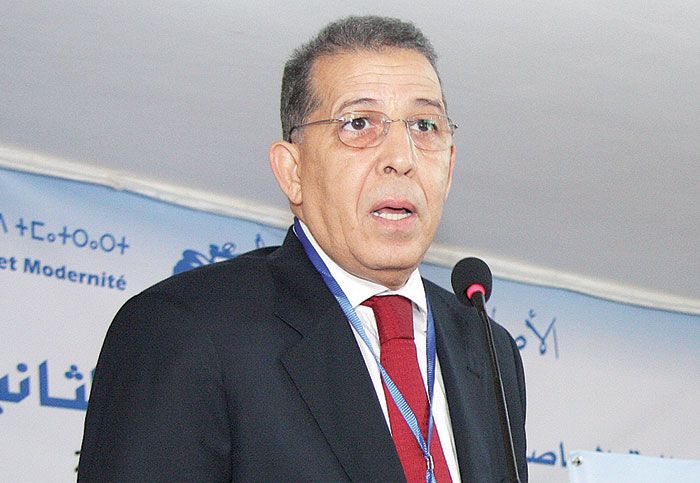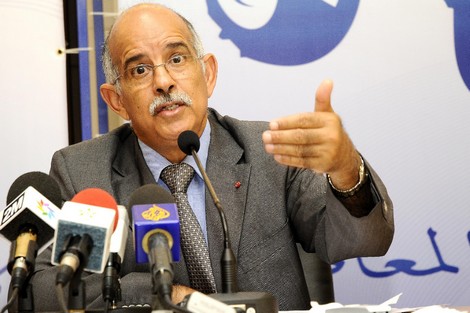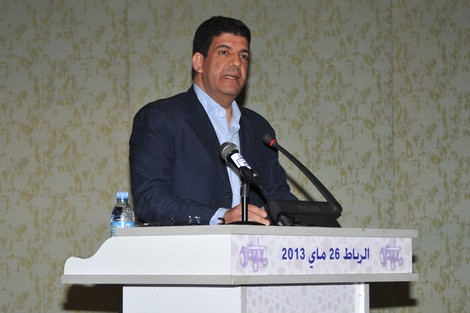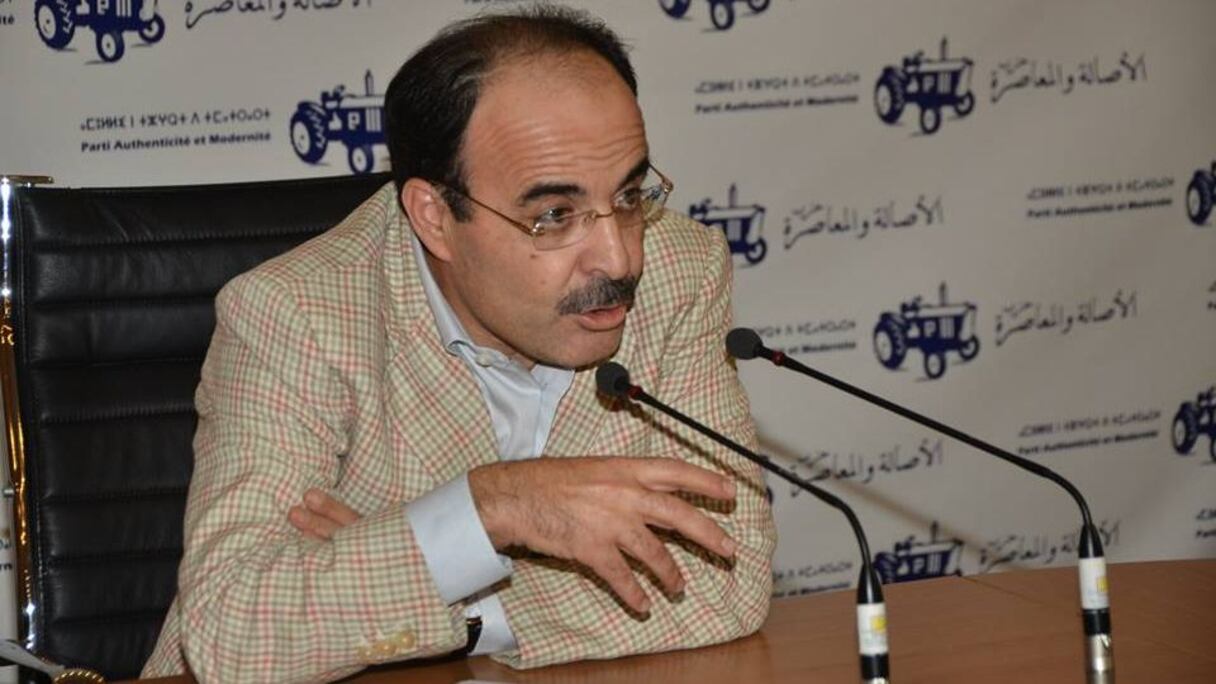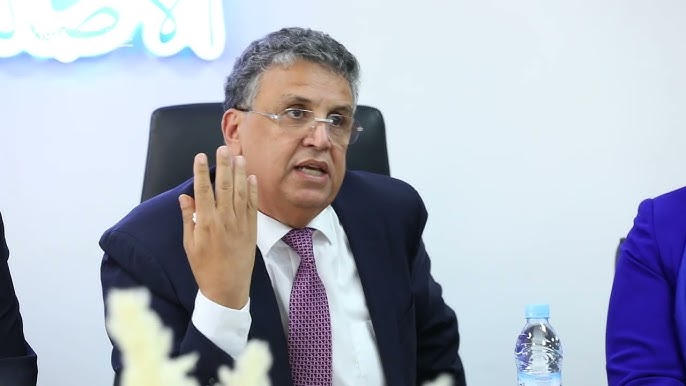

شارك عبد الرحيم واعمرو رئيس المجلس الإقليمي لقلعة السراغنة، يوم الأربعاء 04 دجنبر 2019، في إعطاء افتتاح الدورة السادسة للملتقى الوطني للزيتون بجماعة العطاوية، تحت شعار “الزيتون، سلسلة حيوية لخلق فرص الشغل”، والذي سيمتد إلى غاية يوم السبت 07 دجنبر 2019.
وأكد عبد الرحيم واعمرو أن هذا الملتقى يشكل حدثا متميزا لتسليط الضوء على رهانات وتحديات قطاع الزيتون، كما يعتبر منصة للالتقاء وتبادل الخبرات بين مختلف الفاعلين في القطاع، مبرزا أن هذا الحدث المنظم بشراكة مع مجلس جهة مراكش أسفي والمجلس الإقليمي لقلعة السراغنة والغرفة الفلاحية مراكش آسفي، بالإضافة إلى المجلس الترابي للعطاوية، سيشارك فيه أكثر من 80 عارضا يمثلون مختلف الفاعلين في القطاع، كما يرتقب استقبال أكثر من 10 آلاف زائر.

كما أضاف واعمرو أن برنامج هذه الدورة سيكون حافلا بالأنشطة، وندوات وورشات علمية، وأنشطة بيداغوجية وشبابيك مخصصة للاستشارة الفلاحية، كما ستخصص ورشات للتذوق تروم تعريف زوار المعرض بتنوع وغنى الجهة بزيتون المائدة وزيوت الزيتون المحلية، بالإضافة إلى حفل توزيع جوائز لأفضل الضيعات.
وفي ذات السياق، أشار رئيس المجلس الإقليمي لقلعة السراغنة إلى أن الدورة السادسة من المعرض الوطني للزيتون سيسلط الضوء على الدور الرئيسي لقطاع الزيتون في إحداث فرص الشغل جهويا، والتي تقدر بأكثر من 10 مليون يوم عمل في السنة، مشددا على أن سلسلة الزيتون في جهة مراكش آسفي تعتبر السلسلة الرئيسية للأشجار المثمرة، حيث تبلغ مساحتها 235000 هكتارا بما يعادل 22 بالمائة من مساحة الزيتون الوطنية.

إلى ذلك، أورد المتحدث ذاته أن إنتاج جهة مراكش آسفي يمثل نسبة 25 بالمائة من الإنتاج الوطني للزيتون، ويساهم بنسبة 64 بالمائة من الصادرات الوطنية من الزيتون المعلب و24 بالمائة من صادرات زيت الزيتون، ويتوفر إقليم قلعة السراغنة وحده على حوالي 76000 هكتار من أشجار الزيتون التي تمثل أكثر من40 بالمائة من الإنتاج الجهوي، مضيفا أن جماعة العطاوية تعتبر بمثابة سوق حقيقي وبورصة لتسويق الزيتون بأبعاد جهوية ووطنية.
إبراهيم الصبار