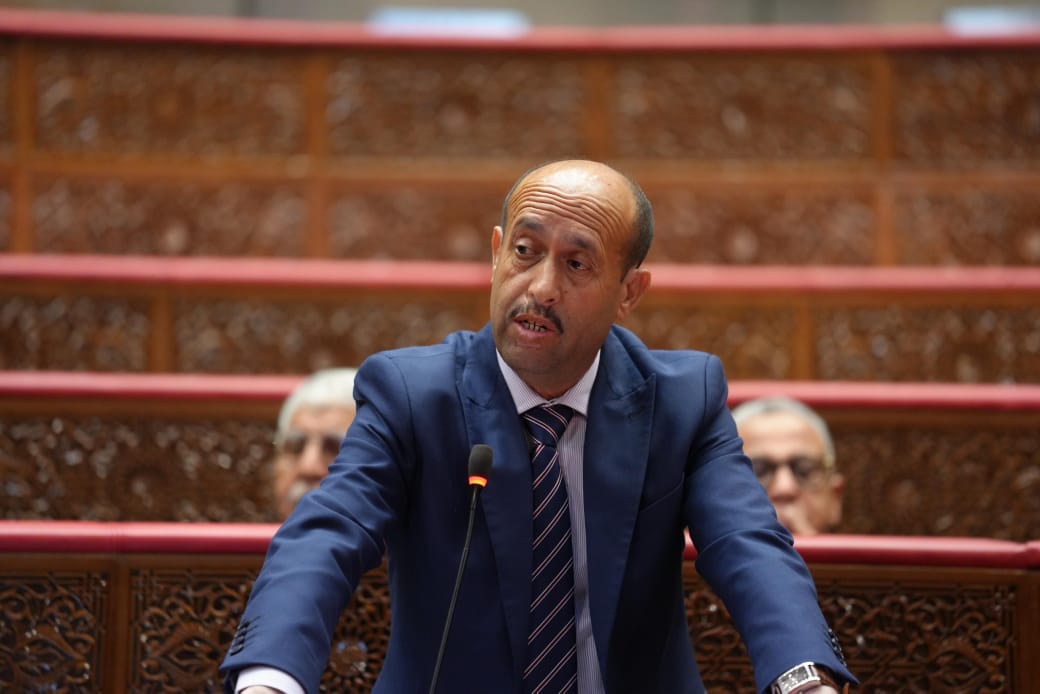
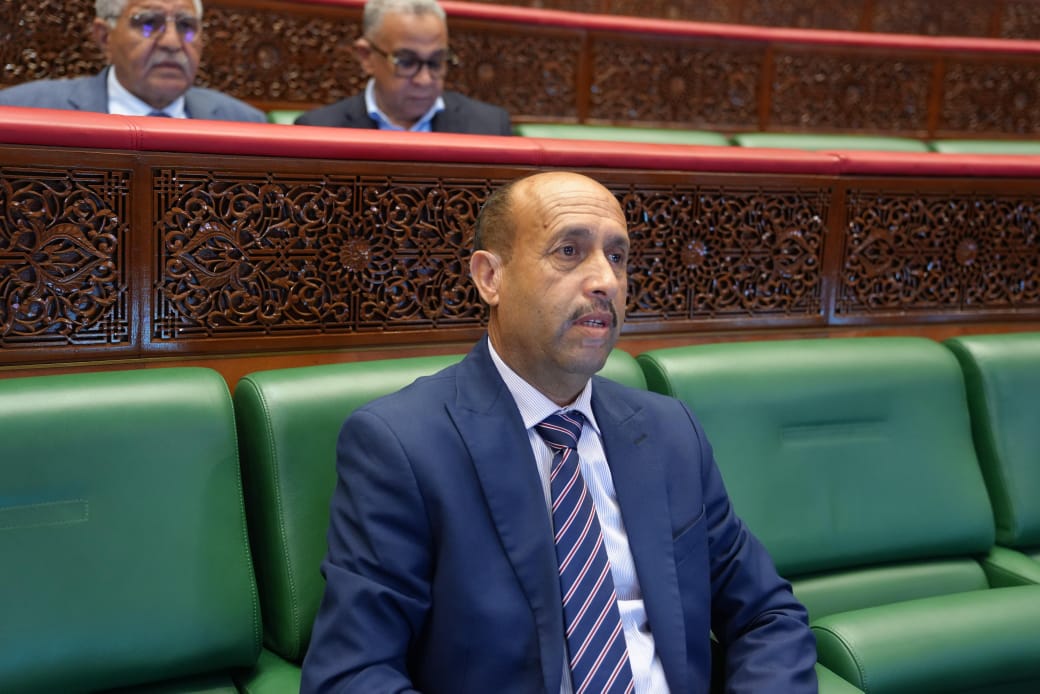
في تعقيب له بمجلس المستشارين حول الاستراتيجية الحكومية للتقليص من العجز التجاري، شدد المستشار البرلماني لحسن آيت اصحا على ضرورة الانتقال من التشخيص إلى الفعل، داعيا إلى إجراءات استعجالية وذات أثر مباشر على الواقع الاقتصادي والمعيشي للمواطنين.
وأكد المستشار البرلماني أن الجهود الحكومية المبذولة في هذا المجال تظل مهمة وتعكس توجها إصلاحيا واضحا، غير أن فعاليتها تبقى رهينة بمدى انعكاسها الفعلي على تقليص العجز التجاري وتحسين القدرة الشرائية، وهو ما ينتظره المواطن بشكل ملموس في حياته اليومية.
وأوضح أن استمرار تفاقم العجز التجاري، رغم ارتفاع الصادرات، يكشف عن اختلالات بنيوية في الاقتصاد الوطني، أبرزها ضعف تنوع الصادرات ذات القيمة المضافة العالية، واستمرار الاعتماد الكبير على الواردات، مما يثقل كاهل الميزانية ويؤثر سلباً على التوازنات الاقتصادية.
كما نبه إلى أن التحولات الجيو-اقتصادية العالمية تزيد من تعقيد الوضع، خاصة في ظل الاضطرابات التي تمس سلاسل التوريد وارتفاع كلفة الاستيراد، محذراً من انعكاسات ذلك على تموين السوق الوطنية واستقرار الأسعار.
ودعا آيت اصحا إلى تبني رؤية استباقية واضحة لمواجهة هذه التحديات، ترتكز على تنويع الشركاء التجاريين، وتعزيز الإنتاج الوطني ليشكل بديلاً حقيقياً للواردات، إلى جانب تقوية السياسات الصناعية ودعم القطاعات القادرة على خلق قيمة مضافة عالية.
وختم مداخلته بالتأكيد على أن كسب رهان تقليص العجز التجاري يمر عبر قرارات جريئة وإصلاحات عميقة، قادرة على تحقيق التوازن الاقتصادي وضمان حماية القدرة الشرائية للمواطنين في ظل ظرفية دولية تتسم بعدم اليقين.
مواكبة إعلامية: سارة الرمشي وياسين الزهراوي