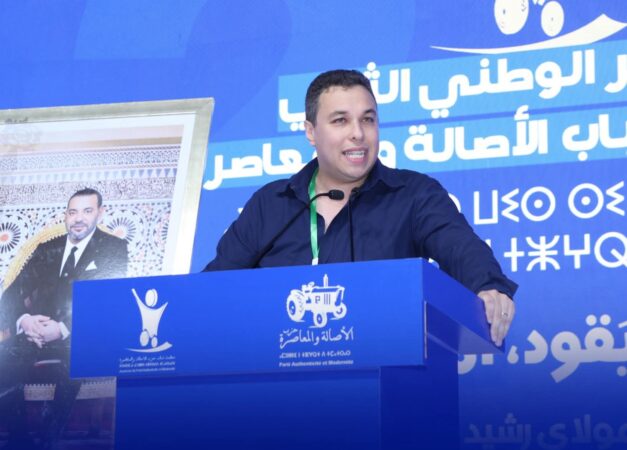

أكد، المستشار البرلماني عن حزب الأصالة والمعاصرة، لحسن الحسناوي؛ أن المدارس العتيقة تحظى بعناية من لدن مولانا أمير المؤمنين صاحب الجلالة الملك محمد السادس، بحيث جعلها جلالته من الاستراتيجيات الكبرى للمملكة مند اعتماد هيكلة الحقل الديني، وحرص جلالته على النهوض بهذا القطاع بشكل عام والمدارس العتيقة خصوصا، وهو ما جسدته عدة خطب ورسائل ملكية.
وفي هذا الصدد، نوه الحسناوي، في مداخلة له خلال جلسة الأسئلة الشفوية المنعقدة اليوم الثلاثاء 20 دجنبر 2022 بمجلس المستشارين، بما تحقق على مستوى إصلاح مجموعة من مدارس التعليم العتيق بمجموعة من مدن المملكة المغربية الشريفة منها زاكورة وصفرو وتارودانت وتاونات ومراكش والصويرة و شفشاون، موضحا أن المدارس العتيقة هي بالأساس فضاء للتعليم والتلقي والتكوين والتأطير وفي نفس الآن نفائس معمارية ثمينة، وجب الحفاظ عليها ورعايتها، وعدم تحريف جماليتها، لكن عدد من المدارس تعاني من قدم بناياتها وتأخر جدولتها وعدم التوفر على السيولة المالية للإصلاح، مما يعيق نمط التحصيل البيداغوجي وتشكل خطرا على المرتفقين.
وقال المستشار البرلماني “إن المهمة المزدوجة للمدارس العتيقة، المتمثلة في التربية الروحية والتعليم الموكولة للمدرس هي التي جعلت طلبة وخريجي المدارس العتيقة أئمة معتدلين، ودعاة متسامحين، غير متشددين، وﻻ متطرفين ولا متعصبين، ﻷنهم تشبعوا بالعلوم الشرعية، مما جعل هذه المدارس العتيقة منابع المعرفة والتسامح والوسطية والاعتدال”، مضيفا “بفضل السياسة الرشيدة لأمير المؤمنين اتجاه هده المدارس ظل المغرب في منأى عن التطرف والتشدد والانغلاق، وانتشرت قيم الوسطية والاعتدال والتسامح ليس في المغرب فحسب، بل حتى في مختلف الأقطار الإسلامية والبلدان الإفريقية وغيرها عبر الطلب على الخبرة والتجربة المغربية، بفضل التصوف العلمي السني، الذي هو أحد مقومات الهوية المغربية عبر قرون، والفقه المالكي والعقيدة الأشعرية والتربية الروحية بالطريقة الجنيدية”.
سارة الرمشي/ياسين الزهراوي