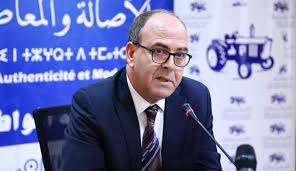

كشف؛ وزير التربية الوطنية والتعليم الأولي والرياضة شكيب بنموسى؛ عن اتخاذ إجراءات جديدة للرفع من جودة الأطقم المدرسية، المتعلقة بتنفيذ المبادرة الملكية “مليون محفظة”، مشيرا إلى إحداث تنسيق مع وزارة الداخلية لتحسين وتدقيق عملية استهداف المستفيدين من المبادرة الملكية.
وأوضح بنموسى ضمن جوابه عن سؤال برلماني أن مصالح الوزارة عمدت إلى تقوية عملية التنسيق القبلي مع مصالح وزارة الداخلية وخاصة المبادرة الوطنية البشرية لضبط الأعداد التوقعية للمستفيدين من الأطقم المعنية وتدقيقها والحد من الإكراهات التي تواجهها عملية التنفيذ وذلك ابتداء من الموسم الدراسي المقبل 2022-2023 وفقا لعملية الاستهداف المتبعة في برمجة وتنفيذ المبادرة الملكية “مليون محفظة”.
وأكد الوزير، في جوابه على سؤال برلماني، حول “جودة محتويات محافظ مبادرة “مليون محفظة”، أنه تم إبرام مبكر للصفقات العمومية لتفادي التأخير في تسلم وتوزيع الأطقم المدرسية، مشيرا إلى أنه تم اعتماد مقاربة جديدة، منذ الموسم الدراسي 2020-2021 بالنسبة لاقتناء المحافظ المدرسية.
وأوضح بنموسى أن وزارة الداخلية، تقوم عبر المبادرة الوطنية للتنمية البشرية بإبرام صفقات عمومية على الصعيد الوطني مع إشراك القطاع المكلف بالتجارة والصناعة في إعداد المواصفات التقنية وفحص العينات ورؤوس العينات وعملية التسلم، لافتا إلى أن هذه الصفقات، تغطي جميع الحاجيات مع اعتماد حجمين حسب المستوى الدراسي للتلميذات والتلاميذ، (محفظة من حجم صغير ومحفظة من حجم كبير اللون حسب النوع).
وذكر وزير التعليم بأن المقاربة المعتمدة في عملية الاستهداف، لا تأخذ بعين الاعتبار المستوى الاجتماعي والاقتصادي للأسر، حيث يستفيد جميع التلميذات والتلاميذ بالابتدائي بالوسطين القروي والحضري إضافة إلى جميع تلميذات وتلاميذ الثانوي الإعدادي بالوسط القروي.
ولفت المصدر ذاته، إلى أن هذه الوضعية تجد تفسيرها في طبيعة القطاع الذي يؤدي رسالة ذات طابع اجتماعي لفائد أطفال صغار في طور التربية والتكوين، مضيفا “قد يكون التمييز بينهم أمر غير تربوي يمكن أن تنتج عنه مشاكل نفسية قد تؤثر سلبا على تحصيلهم الدراسي على عكس أهداف المبادرة الملكية “مليون محفظة”.
وأكد بنموسى أنه تبعا لعملية الاستهداف المتبعة، يستفيد من الأطقم المدرسية عبارة عن محافظ وكتب وكراسات ولوازم مدرسية” جميع التلميذات والتلاميذ بالسلك الابتدائي على الصعيد الوطني، وكذا جميع التلميذات والتلاميذ بالسلك الإعدادي بالوسط القروي فقط، وذلك حسب محتوى الطقم المردسي لكل مستوى دراسي.
وأضاف أنه يتم اقتناء المحافظ المدرسية وتوزيعها على جميع تلميذات وتلاميذ السنة الأولة ابتدائي بالوسطين القروي والحضري وكذا على تلميذات السنة الثالثة ابتدائي بالوسط القروي فقط، إضافة إلى تلميذات وتلاميذ السنة الأولى إعدادي بالوسط القروي كذلك، وتكون التغطية شبه شاملة على الصعيد الوطني مع تسجيل بعض التفاوتات بين الجهات الناتجة أحيانا عن تباين مساهمة الشركاء بين الجهات والأقاليم.
الشيخ الوالي