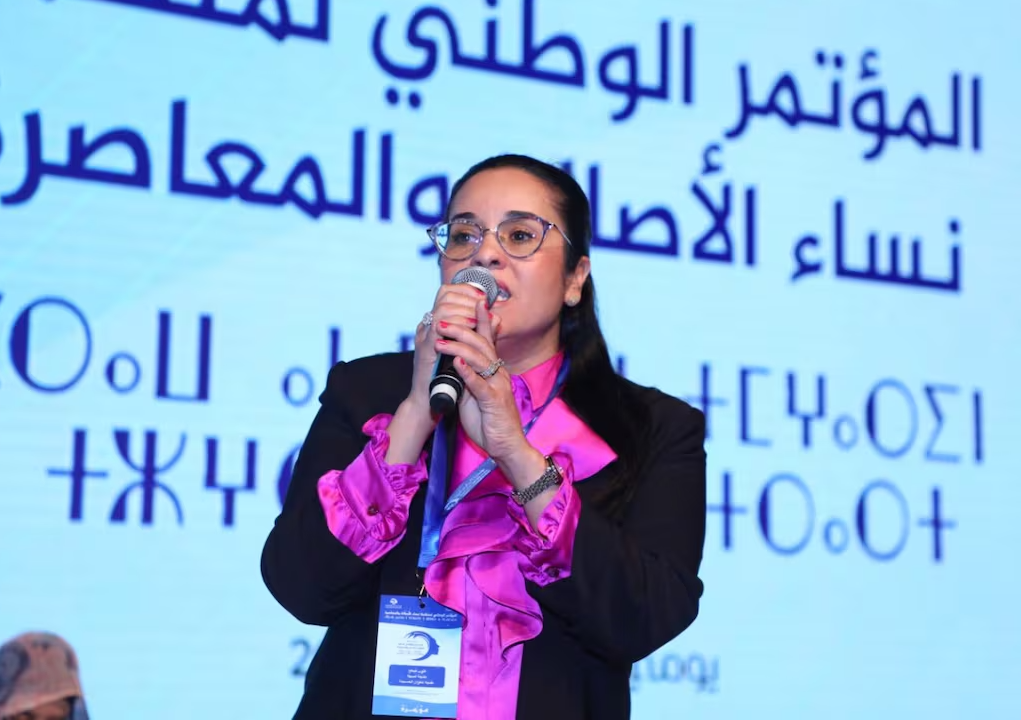

أشادت حياة بوفراشن، عضو فريق الأصالة والمعاصرة بمجلس النواب، بالإجراءات الاحترازية التي اتخذتها المملكة المغربية في مواجهة فيروس “كورونا” المستجد (كوفيد 19) والحد من انتشاره، مؤكدة أن المغرب كسائر دول المنطقة وجد نفسه، على غير غرة، في مواجهة عدو لا مكان ولا زمان له.
وقالت بوفراشن، في تصريح صحفي، “الإجراءات الأولى التي تم الاستعجال بها هي حصر عدد الاسرة والمستشفيات المجهزة لاستقبال العشرات والتي تحولت إلى المئات من المرضى، وقد تمكن المغرب من الاحتكام على 3000 سرير للرعاية الفائقة”، مضيفة “كما أعطى العاهل المغربي من ماله الخاص الإنطلاقة لحملة وطنية تضامنية من أجل إنشاء صندوق خاص لمواجهة كورونا، بتدبير كافة الاحتياجات المطلوبة لهذه المعركة، وقد بلغت مساهمات جميع الفئات والمؤسسات إلى حوالي 30 مليار درهما”.
وأضافت بوفراشن، “لقد تم تجنيد كل القوات المسلحة الملكية والدرك والشرطة والقوات المساعدة والداخلية من أجل المساعدة فى هذه اللحظة الهامة، وتقدير مجهودات الدولة للسيطرة على الوضع والإنخراط في عملية محاصرة الفيروس والحيلولة دون انتشاره”.
وأردفت النائبة البرلمانية، “بسبب توقف عجلة الاقتصاد الوطني، وتضرر العمال المأجورين، والمياومين والتجار المحسوبين على القطاع غير الهيكل، فإن وزارة المالية والاقتصاد قد بادرت إلى تعويض كل هؤلاء المواطنين عن ضرر التوقف عن العمل، وتخصيص مبلغ شهري يبدأ 2000 درهما للمسجلين لدى الصندوق التأمين الاجتماعي، وما يتراوح ما بين 800 و1200 درهما لحاملي بطاقة التغطية الصحية راميد، وهم حوالي 12 مليون مواطن، ونفس المبلغ للمواطنين بدون دخل وبدون عمل لاعتبارات صحية أو اجتماعية”.
وتابعت حياة بوفراشن، “إن بهذا الإجراء غير المسبوق يكون المغرب قد قام بعمل جبار في وقت قياسي، وذلك تشجيعا للمغاربة لاحترام إجراءات الحجر الصحي، والذي عرف تجاوب الأغلبية الساحقة للمغاربة، ومع ذلك ورغم نجاح هذه المحطة لحد الساعة، يمكن الاعتراف بعدة نواقص تشوب العملية منها، تعنت بعض الأحياء الشعبية ورفضها الامتثال الكامل للسلطات المحلية للالتزام بضوابط حالة الطوارئ الصحية، وصعوبة إجراء التحليلات لكل المغاربة المخالطين لحاملي الفيروس، وكذا نفاذ المعدات اللوجستية من السوق وعدم وجود الاحتياطي الصحي الاستراتيجي”.
سارة الرمشي