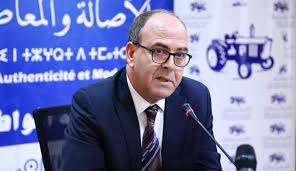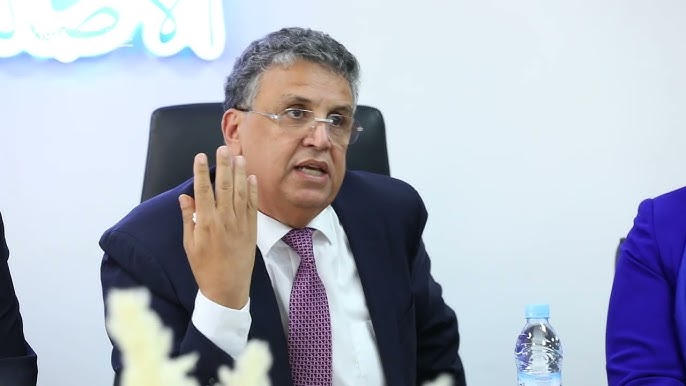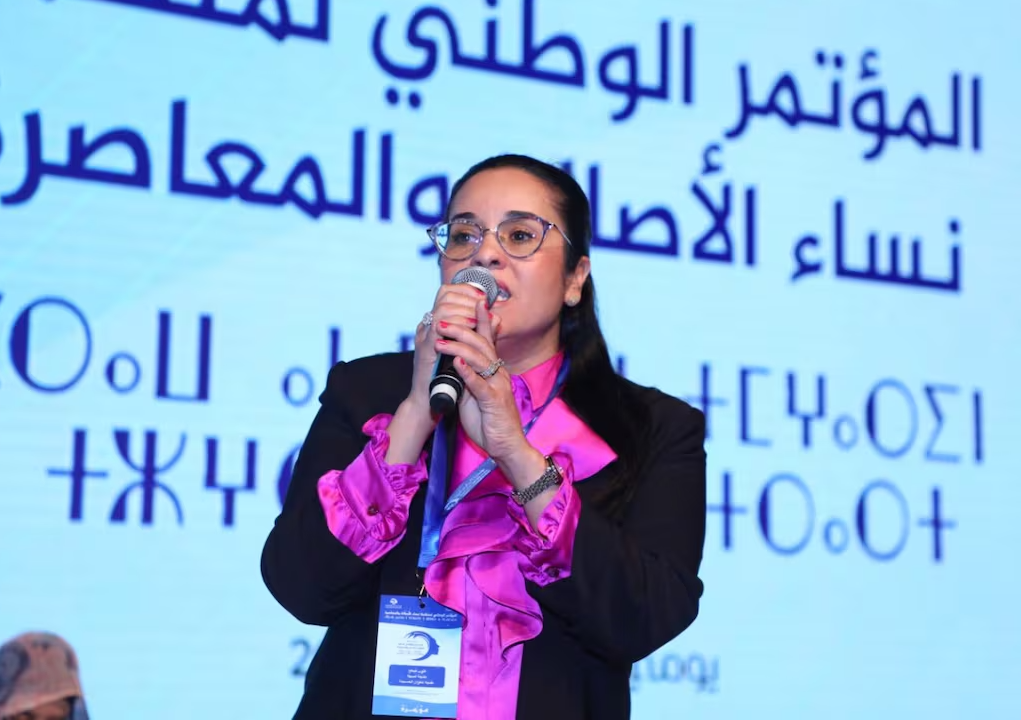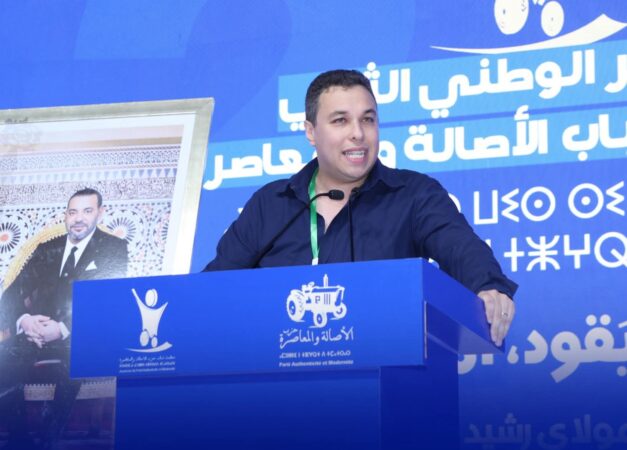
تأتي مبادرة “جيل 2030” في سياقها العام كإحدى مخرجات المؤتمر الوطني الخامس لحزب الأصالة والمعاصرة، وهي ليست مجرد حملة شبابية عابرة، بل رؤية استراتيجية متكاملة تنبثق من دينامية وطنية تسعى إلى إشراك الشباب كركيزة أساسية لبناء مستقبل مشرق. إذ تُعدّ هذه المبادرة بمثابة حجر الزاوية في مسيرة التنمية الوطنية، متماشية مع توجهات واستراتيجية المملكة التي تضع الشباب في قلب السياسات العامة كعامل محفز للتغيير والابتكار
الشباب: العمود الفقري للتنمية الجديدة
إن التوجه الملكي السامي الذي يكشف عن قضايا الشباب وإبرازها ضمن أولويات التنمية لم يأتِ من فراغ؛ فقد أقرّت الدساتير الحديثة، خاصةً الدستور المغربي الجديد، بأن الشباب يمثلون مستقبل التنمية المستدامة. وفي هذا السياق، تتجلى أهمية تمكين الشباب سياسياً، اقتصادياً وثقافياً، إذ يُعتبر التقييم المستمر للسياسات والبرامج العامة، مع إشراكهم في اتخاذ القرار، خطوة ضرورية لترسيخ مبادئ المواطنة والمسؤولية الديمقراطية.
“جيل 2030”: نقطة الانطلاق نحو التمكين والتجديد
من زاوية أخرى، تشكل مبادرة “جيل 2030” منصة لتجسيد روح التغيير في ظل التحديات المعاصرة، فهي لا تقتصر على تعزيز المشاركة السياسية فقط، بل تتعداها لتشمل تحفيز الشباب على الابتكار في مجالات الاقتصاد والإعلام والثقافة. فقد أحدثت هذه المبادرة نقلة نوعية في استخدام وسائل التواصل الاجتماعي كأداة فاعلة في تعزيز الوعي السياسي وتحفيز النقاشات المجتمعية، مما أسهم في وضع تصور جديد لفضاء الحوار العام يرسخ قيم الديمقراطية التشاركية.
وعلى صعيد الاقتصاد، فإن تشجيع ريادة الأعمال وتحسين مناخ الاستثمار يمثلان ركيزتين أساسيتين ضمن هذا النموذج التنموي الجديد، حيث يُنظر إلى الشباب كفاعلين اقتصاديين قادرين على تقديم حلول مبتكرة وإعادة رسم معالم السياسات الاقتصادية بما يخدم متطلبات العصر.
الشباب والثقافة: صناعة هوية حضارية جديدة
لا يخفى على أحد أن الثقافة تلعب دوراً محورياً في صناعة الشخصية الوطنية. ومن هنا تنطلق رؤية مبادرة “جيل 2030” لتكون جسرًا يربط بين الإبداع الفني والتغيير الاجتماعي، إذ تُعدّ الصناعة الثقافية مساراً واعداً لتحقيق التنمية الشاملة. وفي هذا السياق، يُبرز نموذج المبادرة جهود المسؤولين مثل الوزير محمد المهدي بنسعيد في تعزيز الصناعة الثقافية عبر شراكات استراتيجية وقوانين تدعم حماية التراث وتطوير الفنون.
إن تبني مبادرة “جيل 2030” يعكس فهماً عميقاً للتحديات التي تواجه الشباب المغربي، فهو رؤية شمولية تستند إلى دعم القطاعات السياسية والاقتصادية والثقافية لتحويل الشباب إلى محور رئيسي في رسم مستقبل الوطن. ومن هنا، يبقى السؤال مفتوحاً: هل ستكون هذه المبادرة بمثابة نقطة تحول حقيقية تُعيد صياغة المشهد السياسي والاجتماعي والاقتصادي في المغرب؟ الوقت وحده كفيل بالإجابة، لكن الطموح والإصرار على تحقيق الأهداف يجعل من “جيل 2030” رسالة أمل وإمكانية نحو مستقبل واعد.
هذه الرؤية الثاقبة التي نسجها حزب الأصالة والمعاصرة، مدعومة بالتوجهات الملكية الرائدة، تُعيد التأكيد على أن شباب اليوم هم ركيزة بناء غدٍ أفضل، متسلحين بمبادئ العدل والكرامة والإصرار على النهوض بوطنهم، وهم بالفعل في طريقهم لصناعة التاريخ
محمد علي سراج
من الأمانة المحلية مراكش المدينة