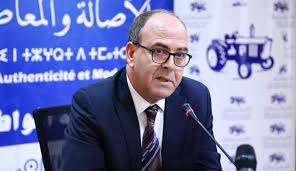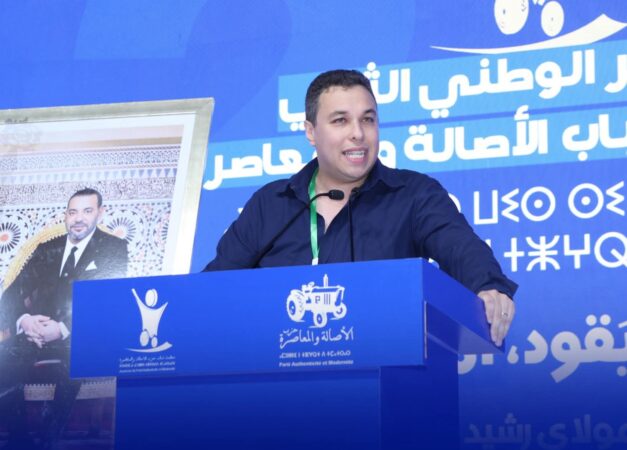
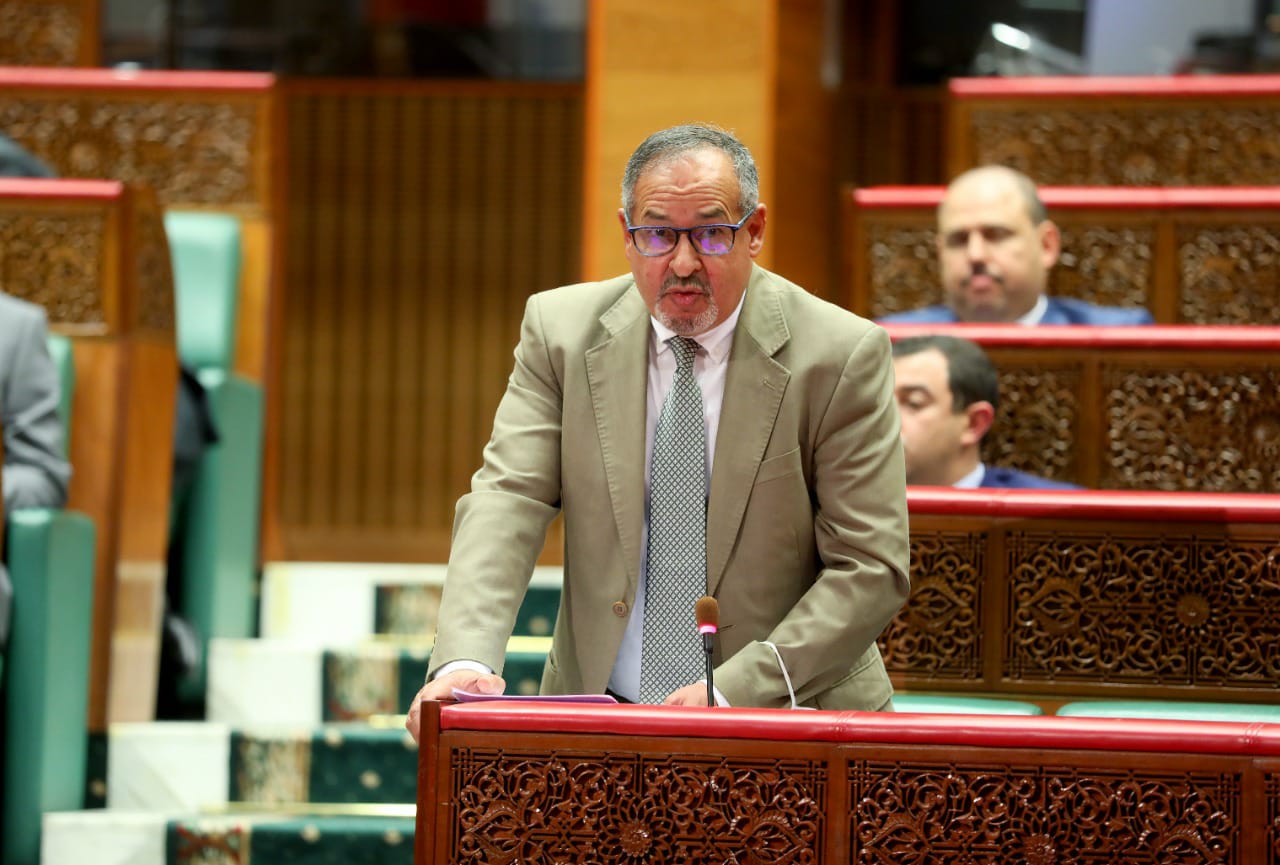
ثمن، رئيس فريق الأصالة والمعاصرة بمجلس المستشارين، الخمار المرابط؛ المجهود العالي المبذول في سبيل تعزيز وتطوير وتحصين الصناعة الدوائية الوطنية واستدامتها داخل منظومة اقتصاد الفرص، خاصة أن هذا الموضوع يحظى بعناية سامية من لدن صاحب الجلالة الملك محمد السادس.
وسجل المرابط، في مداخلة له خلال جلسة الأسئلة الشفوية المنعقدة اليوم الثلاثاء 18 أبريل 2023 بمجلس المستشارين، تطور قطاع الصحة، ولاسيما مسار تنزيل ورش الحماية الاجتماعية، التي ستشكل السيادة الدوائية أحد ركائزه، داعيا لمزيد من الجهد في إطار منظومة الديمقراطية التشاركية مع مختلف الفاعلين.
وقال المستشار البرلماني “إننا في فريق الأصالة والمعاصرة نثمن ونسجل أهمية ما تحقق لحد الآن في إطار تشجيع الصناعة الدوائية ببلادنا، عبر سلسلة من التدابير التشريعية والتنظيمية والممارسات الفضلى، والتي انعكست بشكل إيجابي على المستوى الرقمي، نذكر منها على الخصوص، نجاحها إبان التعاطي مع جائحة كورونا، والأثر المحمود لتبني ورش رقمنة المساطر المتعلقة بتسجيل الأدوية، والرفع من الغلاف المالي المرصود لتزويد المستشفيات العمومية بالأدوية، والتوجه نحو اختيار احداث الوكالة المغربية للأدوية والمنتجات الصحية، والتي من المنتظر أن تضمن السيادة الدوائية”.
وأضاف “تحقيق غاية الهدف الثالث للتنمية المستدامة، عبر ضمان الحياة الصحية وتشجيع الرفاه للجميع من كل الأعمار في أفق سنة 2030، تقتضي تجاوز عدد من العقبات على مستوى المنظومة الصحية الوطنية، وأهمها تلك المتعلقة بمنظومة الأدوية، لارتباطها بالعلاج والصحة، وهي الحقوق التي كفلها دستور سنة 2011″، مبرزا أنه إذا كانت الغاية هي مراجعة منظومة الصحة عبر ورش الحماية الاجتماعية، فلابد من الولوج العادل للعلاجات والحصول على الأدوية للاستشفاء، سواء بالقطاع العام أو القطاع الخاص، وتجاوز محدودية المخزون من الأدوية وسوء التوزيع الترابي، وآجال التسليم، والتي تنعكس مباشرة على صحة المواطن، وتمس باليقظة الصحية.
واسترسل المرابط قائلا “يتعين بالموازاة مع ذلك إصدار النصوص التطبيقية والتنظيمية في أقرب الآجال، وتبسيط المساطر الإدارية أمام الفاعلين، والاستمرار في سياسة الحزم على مستوى المراحل التقنية، لأنها تتعلق بصحة المواطن، الذي هو أساس ومحور النموذج التنموي، والعمل على تشجيع الشراكة بين المختبرات والفضاء الجامعي، وانفتاح القطاع البنكي على المقاولات المتخصصة في الصناعة الدوائية”.
سارة الرمشي