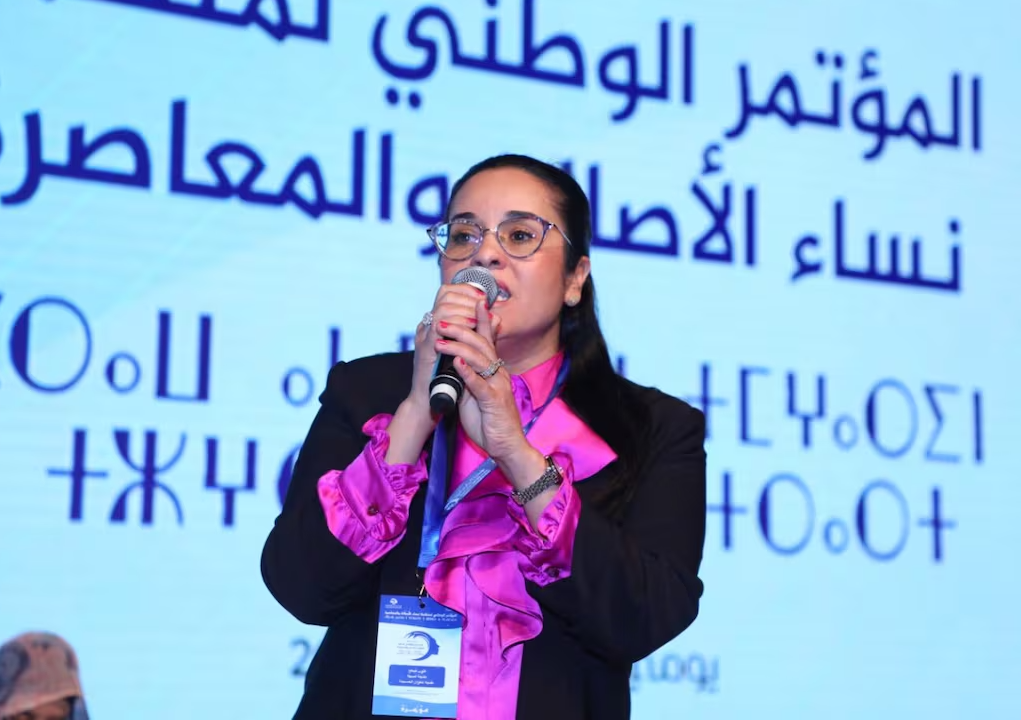

تحدثت، عضو فريق الأصالة والمعاصرة بمجلس النواب، نجوى ككوس؛ عن الرهان الذي يعقده المغاربة على الحكومة الحالية، وهو مدى قدرتها على تحويل اتجاه السياسات العمومية إلى القضاء على أسباب الهشاشة والفوارق الاجتماعية، والحد من كل ما يولد الشعور بالإقصاء.
وأكدت ككوس في كلمة لها باسم فريق الأصالة والمعاصرة النيابي، خلال جلسة مسائلة رئيس الحكومة حول السياسة العامة، التي عقدت اليوم الاثنين 29 نونبر 2021، بمجلس النواب، أن الحكومة قامت بتشخيص الوضعية، وبلورت برنامجها من أجل مواجهة الصعوبات القائمة بتدابير وإجراءات مالية واجتماعية تخفف من آثارها على الاقتصاد الوطني والأوضاع الاجتماعية للمواطنات والمواطنين، في أفق تجاوز كل نقاط الضعف والهشاشة في تدخل مختلف القطاعات الحكومية فيما يرتبط بالتنمية الاجتماعية والتضامن والمساواة والوضعية الهشة للأسر.
واعتبرت البرلمانية، أن هذا التوجه سيمكن من دعم التنمية البشرية وفق ما تقتضيه متطلبات حقوق الإنسان والعدالة الاجتماعية والمجالية، والاستجابة لحاجيات المواطنات والمواطنين ومعالجة مختلف مشاكلهم، وهذا يقتضي في اعتقادنا التركيز على اعتماد خدمات القرب، وتعبئة الموارد المحلية والوطنية في إطار التعاون لتحقيق نجاعة الدعم الاجتماعي، ودعم ومواكبة الأسر الاجتماعية الفقيرة والفئات في وضعيات هشة.
وبخصوص الخصاص المهول في الموارد البشرية بالوظيفة العمومية الذي خلفته طرق التدبير الحكومي السابق، قالت ككوس، «الحكومة ماضية بتدرج في مسار العمل على سد الخصاص، وتوجيه التشغيل ليستجيب للضوابط القانونية المؤطرة للشغل ويتلاءم مع المعايير الدولية»، مضيفة: « هو ما يدعو إلى الاطمئنان، بتوجه الحكومة نحو تطوير الميزانيات الفرعية، وتوزيع الاعتمادات المالية حسب الأولويات المحددة والمشاريع المعتمدة، وهو ما سينعكس إيجابا على تطوير النموذج التربوي والاهتمام بالعنصر البشري وتحسين العرض التربوي وتعزيز الأنشطة الموازية والمندمجة وأنشطة الرياضة المدرسية».
وأشارت المتحدثى إلى أن “تسخير الموارد المالية الضرورية، التي حظيت بزيادة مقارنة مع سنة 2021، ستساهم في تسريع دينامية التغيير وتحسين جودة التعلمات، وتحقيق التحول العميق للمدرسة. وهذا التوجه، في اعتقادنا، سيشكل مرتكزا أساسيا لضمان تعليم جيد ومنصف وشامل للجميع، عبر التسريع ببلوغ المنعطف الحاسم نحو جودة التعليم ووضع هذا التحدي في صدارة الأولويات، ولتركيز تدخل الحكومة على التقليص من الهدر المدرسي وتعزيز التمكن من التعلمات والكفايات الأساس وتحسين المكتسبات الدراسية، لتعزيز شرط تحقيق مدرسة الإنصاف وتكافؤ الفرص، والقضاء على الفوارق المجالية والاجتماعية”.
وعرجت البرلمانية للحديث عن أهم مرتكزات دعم الدولة الاجتماعية هي العمل على توفير الشروط اللازمة لتأمين التحصيل الدراسي لجميع المتعلمات والمتعلمين، والحفاظ على السلامة الأمنية والصحية للمجتمع المدرسي، ومواصلة سيرورة تفعيل المشاريع الاستراتيجية المتضمنة في أحكام القانون الإطار المتعلق بالتربية والتكوين.
وفي هذا السياق، أشارت ككوس إلى أن هناك من الإصلاحات ما هو ترقيعي وظرفي، ومنها ما هو مؤلم من حيث مضامينِه وإجراءاتِه، وإذا كنا في فريق الأصالة والمعاصرة نؤمن بضرورة القطع النهائي مع الإصلاحات ذات المحدودية في الزمن على مستوى الأثر الاقتصادي والاجتماعي، فإننا ندعو إلى ضرورة استحضار الوضعية الاجتماعية الهشة التي ورثتموها السيد رئيس الحكومة.
ودعت ككوس إلى «الوقوف وقفة تقدير للحكومة، التي عملت على تخصيص 23,5 مليار درهم لوزارة الصحة والحماية الاجتماعية، خاصة وأن 6,9 ملايير درهم منها موجهة للاستثمار، وهو مبلغ ارتفع بـ 3 ملايير درهم مقارنة بسنة 2021. إضافة إلى أنها خصصت ما يناهز 5 آلاف و500 منصب مالي لهذا القطاع من ضمن 26 ألفا و860 منصب مقترح من قبل الحكومة».
وأوضحت أن هذه التدابير تهدف إلى المساهمة في ضمان ولوج جميع المواطنين للعلاجات، وتكريس الحق في الصحة كما هو منصوص عليه في المادة 31 من دستور 2011، ضمن مشروع إصلاحي يرتكز على تثمين الرأسمال البشري للقطاع الصحي، وتأهيل البنيات التحتية والتجهيزات، وتعزيز حكامة المنظومة الصحية، وإحداث نظام معلوماتي مندمج يمكن من التعقب والتتبع الدقيق لمسار كل مريض.
وعبرت ككوس عن تمنياتها في ذات المداخلة، للحكومة التوفيق في مشاريعها الخاصة بتعميم الحماية الاجتماعية، عبر إخراج اللجنة الوزارية لقيادة إصلاح منظومة الحماية الاجتماعية إلى حيز الوجود، وكذا نظام التأمين الإجباري الأساسي عن المرض، وإحداث نظام للمعاشات خاص بفئات المهنيين والعمال المستقلين والأشخاص غير الأجراء الذين يزاولون نشاطا خاصا، والتسريع بإعمال السجل الاجتماعي الموحد، لأن هذه الأوراش تندرج في صلب ركائز الدولة الاجتماعية.
خديجة الرحالي