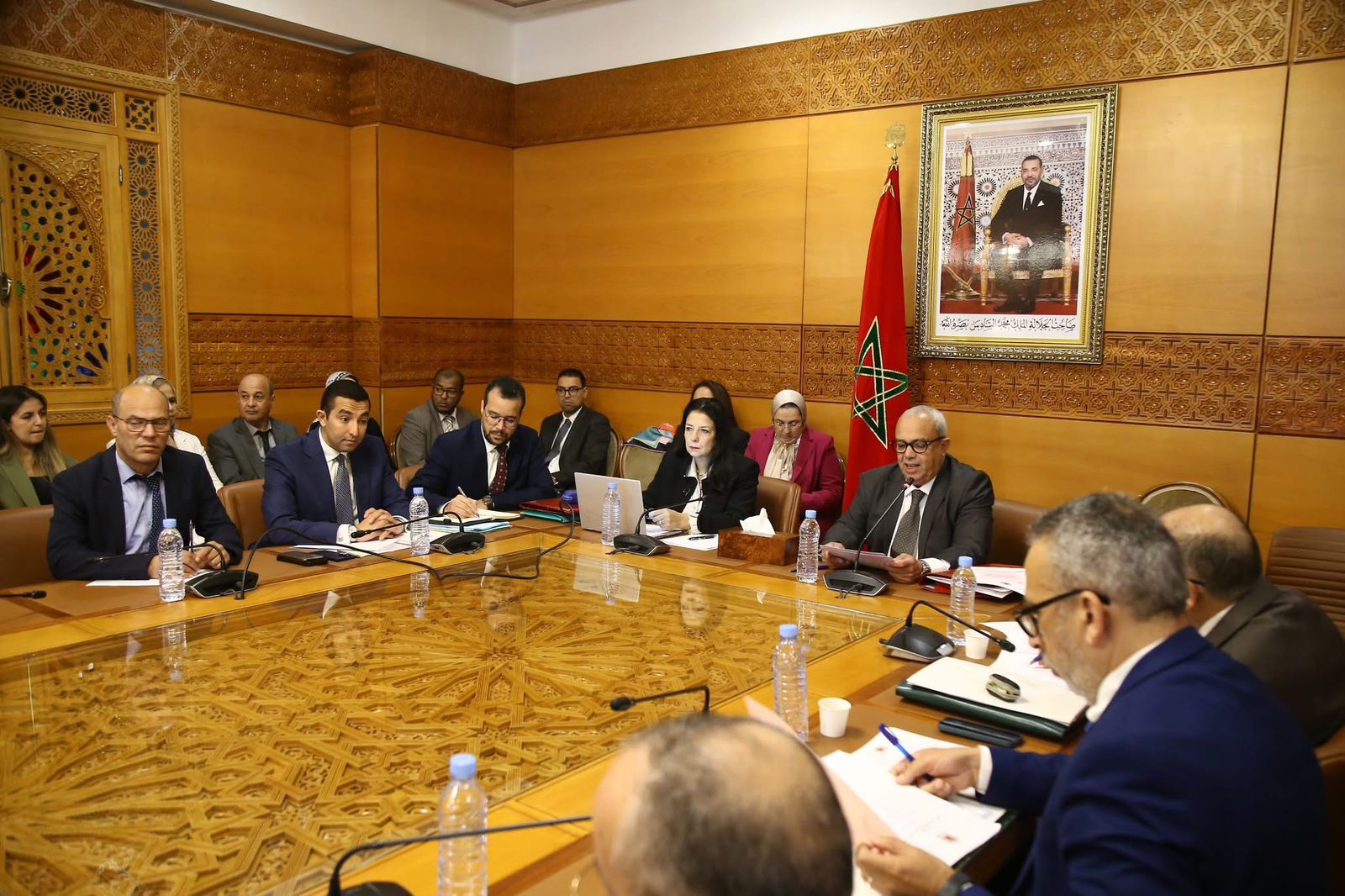
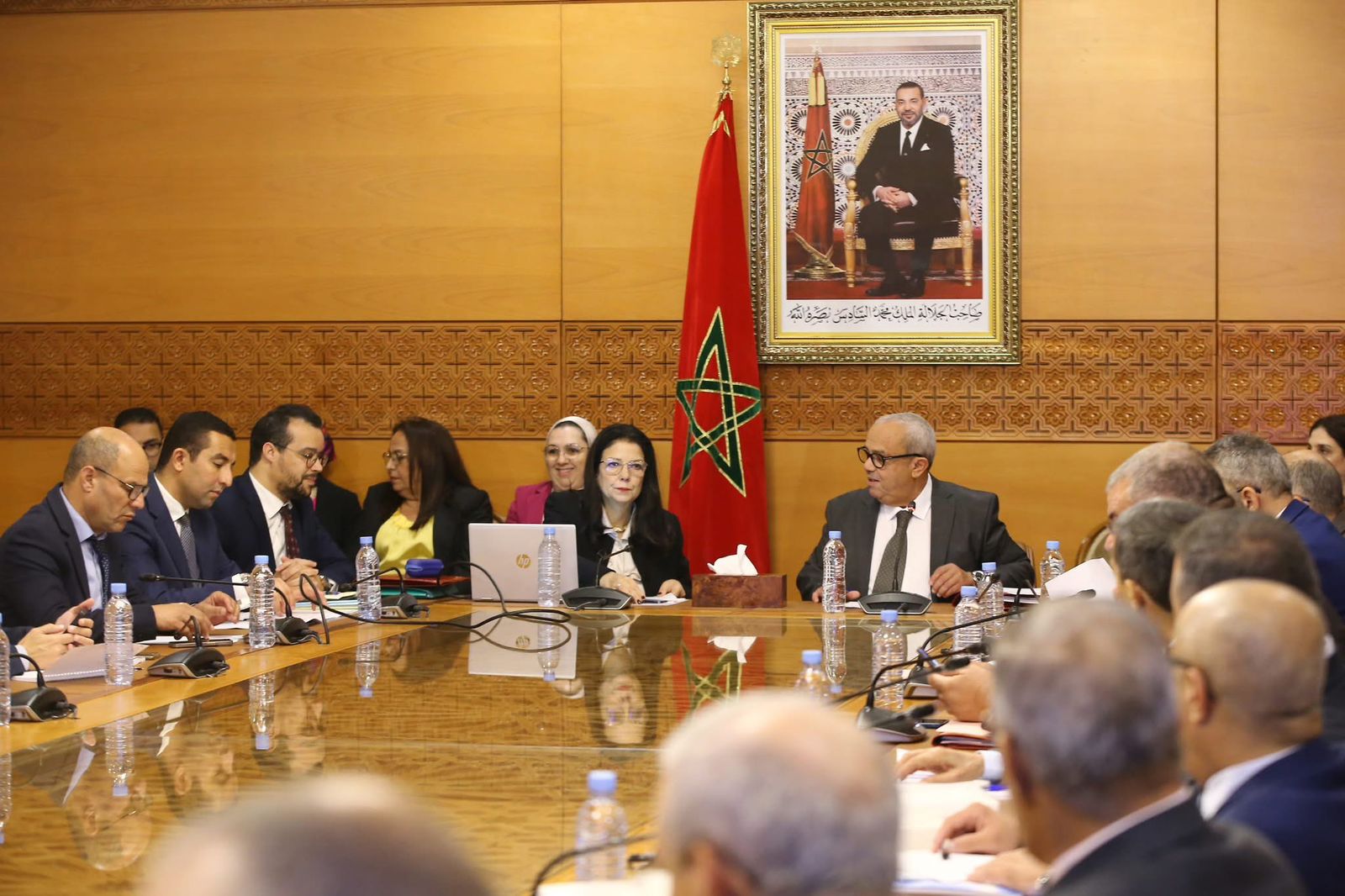
قدمت وزيرة الانتقال الرقمي وإصلاح الإدارة أمال الفلاح السغروشني، حصيلة عملها ضمن مشروع ميزانية 2026، مستعرضة تقدم الأوراش الكبرى التي تروم تحديث الإدارة المغربية وترسيخ الحكامة الجيدة.
وأكدت الوزيرة أن الإصلاح الإداري يقوم على رقمنة المساطر، وتبسيط الخدمات، وتكريس اللامركزية الإدارية عبر خارطة طريق تنفذ بين 2025 و2027، مع إعداد مراسيم جديدة لتنظيم الإدارات وتحديد اختصاصاتها، بما يضمن فعالية أكبر في تدبير المرافق العمومية.
وسجلت الوزيرة تقدما في تنزيل الاستراتيجية الوطنية لمكافحة الفساد، حيث تم إعداد تقرير تقييمي للفترة 2019-2024 ومواصلة العمل على مشاريع قوانين جديدة تتعلق بالتصريح بالممتلكات وحماية المبلغين ومنع تضارب المصالح، كما تم تطوير نظام جديد لتتبع جودة أداء المرافق العمومية وتفعيل ميثاقها الوطني.
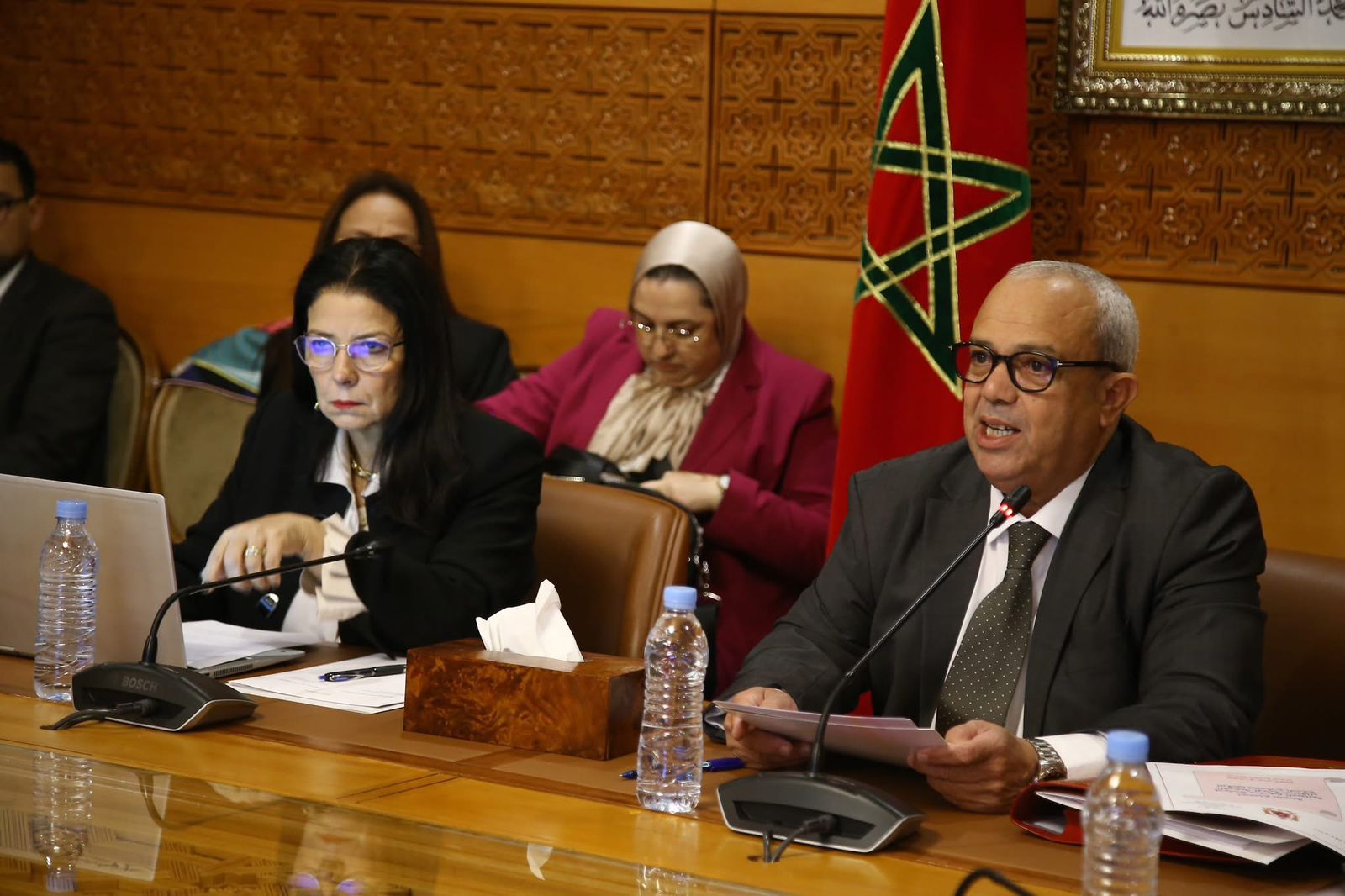
وتوقفت الوزيرة عند التقدم الكبير في ورش تفعيل الطابع الرسمي للأمازيغية داخل المرافق الإدارية، إذ تم اعتماد اللغة الأمازيغية في خدمات الاستقبال الهاتفي والحضوري، وفي اللوحات وعلامات التشوير لأكثر من 4000 مرفق إداري، إضافة إلى ترجمة أكثر من 400 ألف كلمة في المواقع الرسمية، وتنظيم لقاءات تواصلية ومؤسساتية لتعميم استخدامها.
وحسب الوزيرة؛ واصلت الوزارة تطوير المنظومة الرقمية الوطنية بإطلاق بوابات ومنصات موحدة مثل “idarati.ma” للخدمات الإدارية، و“academiaraqmya.gov.ma” للتكوين الرقمي، و“الهوية الرقمية” لتسهيل الولوج إلى الخدمات الإلكترونية.
وأشارت الوزيرة إلى أن أكثر من 600 خدمة إلكترونية أصبحت متاحة عبر الإنترنت، منها 300 موجهة للمواطنين و200 للمقاولات، مع تقليص آجال معالجة الطلبات بنسبة 50% وتبسيط الوثائق بنسبة 40%.
وأبرزت المسؤولة الحكومية أن قطاع ترحيل الخدمات والتصدير الرقمي أصبح محركا رئيسيا للنمو، حيث أُحدثت أكثر من 18 ألف وظيفة جديدة، وارتفعت العائدات إلى 26.2 مليار درهم سنة 2024، ما جعل المغرب يحتل المرتبة الثانية في إفريقيا و12 عالميا في مؤشر ترحيل الخدمات.
كما شمل البرنامج دعم المقاولات الناشئة عبر مشروع قانون “Startup Act” وإنشاء آليات تمويلية بشراكة مع صندوق محمد السادس للاستثمار، بهدف مواكبة 3000 مقاولة ناشئة في أفق 2030.
خديجة الرحالي