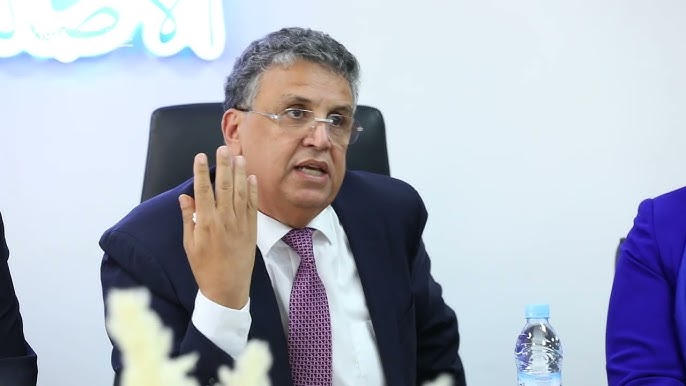
أكد وزير العدل السيد عبد اللطيف وهبي أن إعداد مشروع قانون رقم 03.23 بتغيير وتتميم القانون رقم 22.01 المتعلق بالمسطرة الجنائية كان وفق تصورات حديثة ومتطورة تستجيب للتحديات المطروحة وتتناعم مع مجموعة من المرجعيات الأساسية التي تعتبر ثوابت ناظمة في توجهات السياسة الجنائية الوطنية، وفي مقدمتها دستور المملكة لسنة 2011 والاتفاقيات الدولية ذات الصلة بحقوق الإنسان ومكافحة الجريمة، ومجموعة من الخطب الملكية السامية لجلالة الملك والتي حددت الفلسفة والمعالم الكبرى لإصلاح منظومة العدالة ببلادنا خاصة ما يرتبط بالتوجهات الكبرى للسياسة الجنائية لاسيما في خطاب جلالته السامي بتاريخ 20 غشت 2009 بمناسبة الذكرى السادسة والخمسين لثورة الملك والشعب.
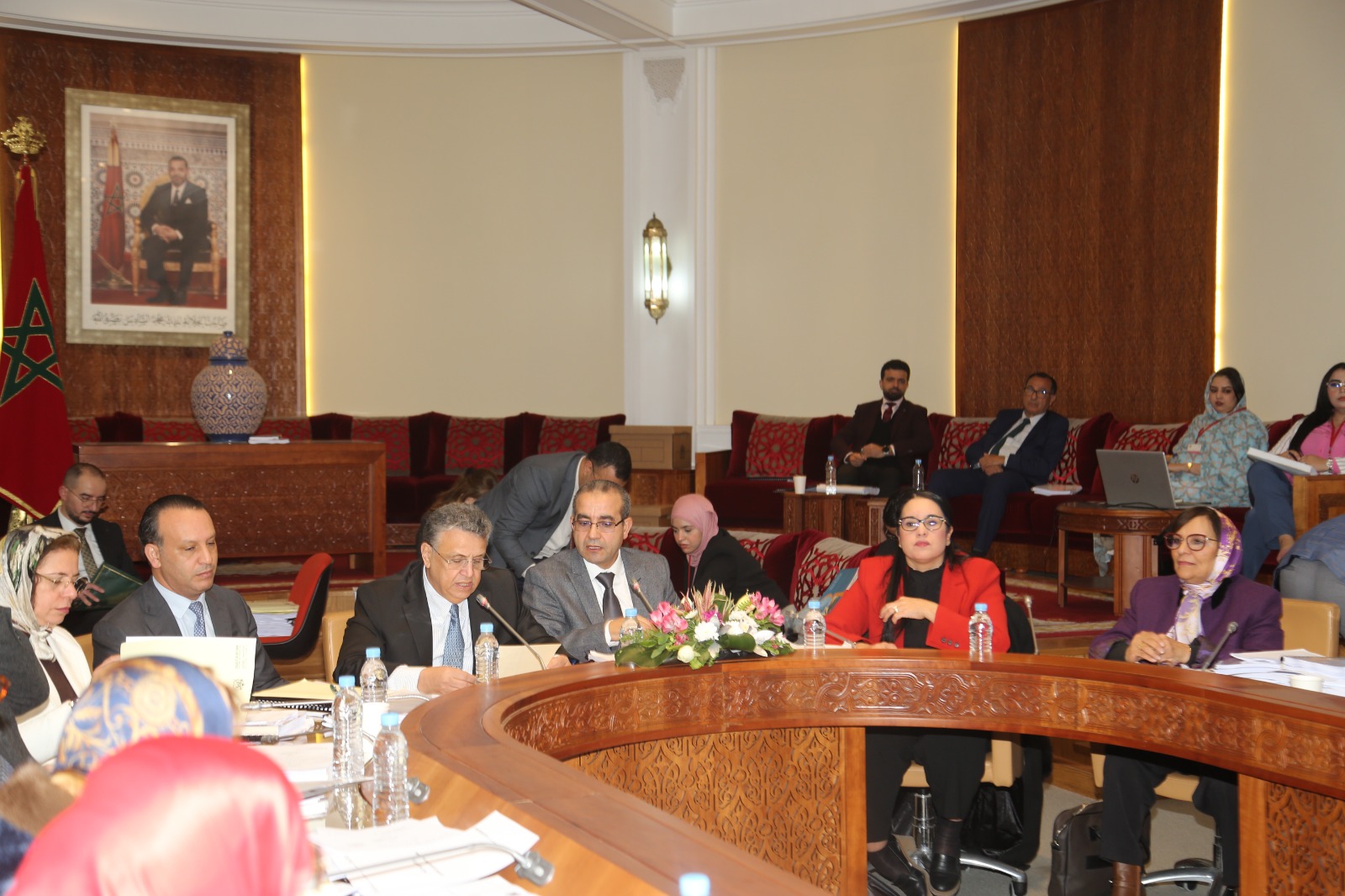
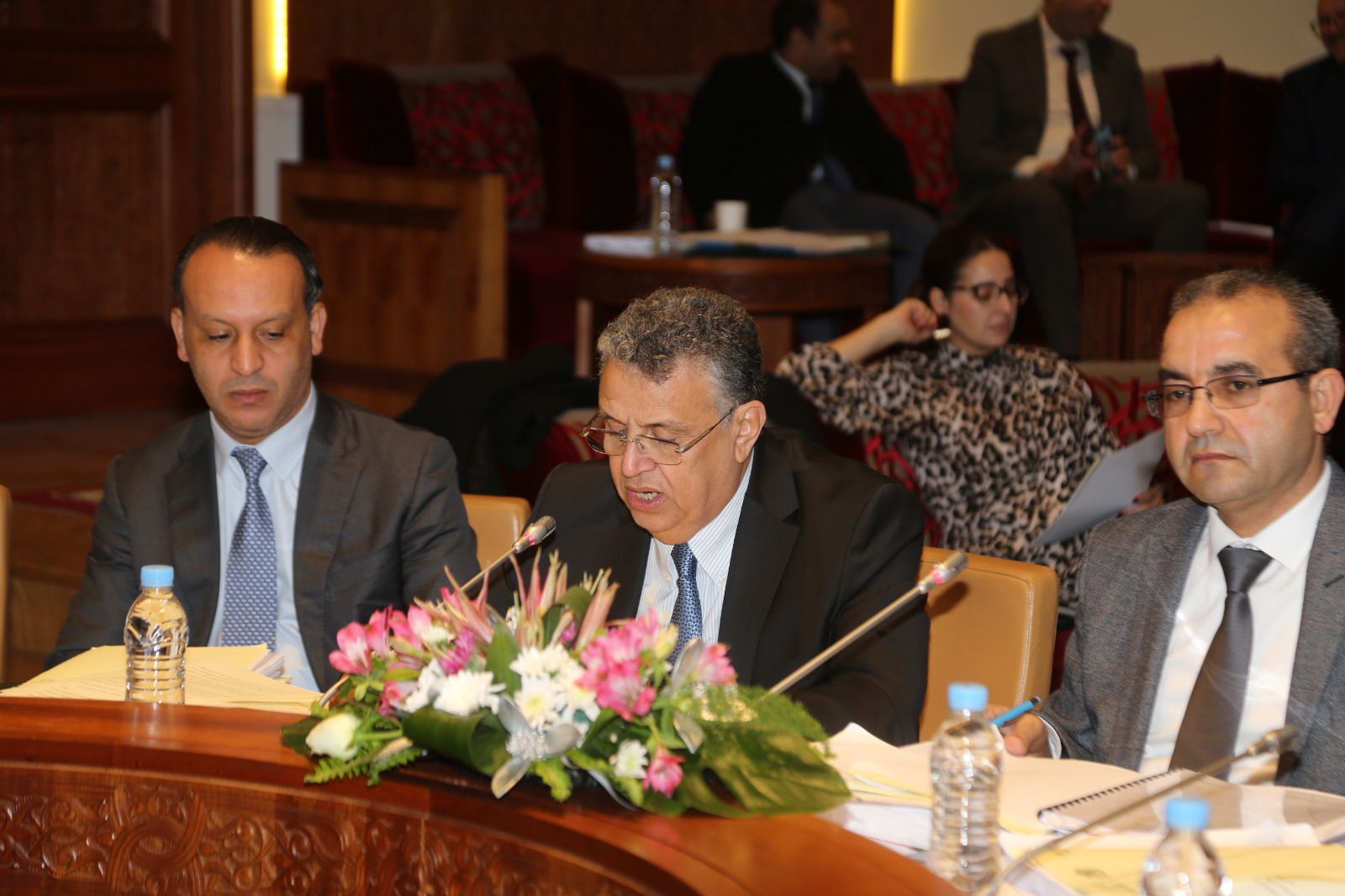
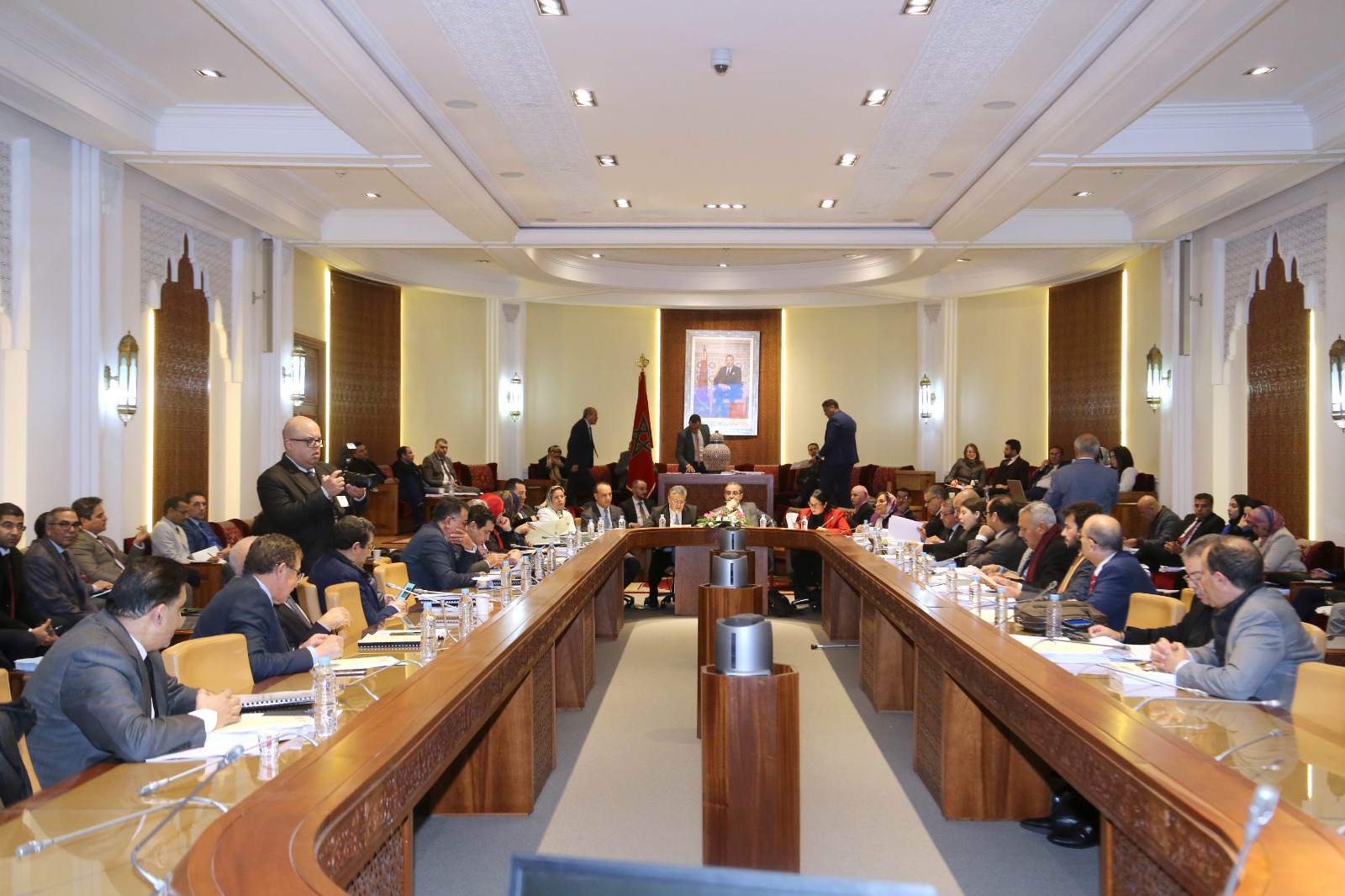
وأبرز الوزير بمناسبة تقديمه بلجنة العدل والتشريع وحقوق الإنسان والحريات بمجلس النواب، اليوم الأربعاء 21 يناير 2025، أن المقتضيات التي جاء بها مشروع القانون ستسهم في تعزيز مجال الحقوق والحريات وانخراطها التام في الالتزامات الدولية ذات الصلة بحقوق الإنسان ومكافحة الجريمة، وتحقيق الموازنة بين شراسة الجريمة وتهديدها لأمن الإنسان وسلامة المواطن في بدنه وممتلكاته من جهة، وبين حماية الحقوق الأساسية للأفراد كما أقرتها المواثيق الدولية لحقوق الإنسان ودستور المملكة من جهة ثانية.
وأوضح الوزير أن هذا المشروع يندرج ضمن ورش إصلاحي متكامل لمنظومة العدالة الجنائية المغربية، ابتدأ بإصلاحات تشريعية هامة شهدتها بلادنا خلال الآونة الأخيرة همت المصادقة على مجموعة من القوانين المهيكلة للسياسة الجنائية، كالقانون المنظم لمهام الطب الشرعي والقانون المتعلق بالعقوبات البديلة والقانون المتعلق بتنظيم وتدبير المؤسسات السجنية، ووضع إطار ناظم لتغذية الأشخاص الموضوعين رهن الحراسة النظرية والأحداث المحتفظ بهم، في انتظار أن ترى النور باقي الأوراش التشريعية المواكبة التي تم الانتهاء من إعدادها، كمشروع مراجعة القانون الجنائي ومشروع إحداث الوكالة الوطنية لتدبير وتحصيل الممتلكات المحجوزة والمصادرة والغرامات ومشروع القانون المتعلق بإحداث البنك الوطني للبصمات الجينية ومشروع القانون المتعلق بالوكالة الوطنية لحماية الطفولة، ومشروع مدونة المصاريف القضائية وغيرها من المشاريع القانونية ذات الصلة بالمجال الجنائي.
وشدد الوزير على ضرورة تحديث المنظومة القانونية ولاسيما ما يتعلق منها بمجال الأعمال والاستثمار، وضمان شروط المحاكمة العادلة، مشيرا إلى أن هذا هو ما يتطلب نهج سياسة جنائية جديدة، تقوم على مراجعة وملاءمة القانون والمسطرة الجنائية، ومواكبتها للتطورات، بإحداث مرصد وطني للإجرام، وذلك في تناسق مع مواصلة تأهيل المؤسسات الإصلاحية والسجنية.
وبموازاة ذلك، أكد على أهمية تطوير الطرق القضائية البديلة، كالوساطة والتحكيم والصلح، والأخذ بالعقوبات البديلة، وإعادة النظر في قضاء القرب، مشيرا إلى مجموعة من التوصيات والاقتراحات التي تهم مجال العدالة كتوصيات هيئة الإنصاف والمصالحة وتوصيات الميثاق الوطني حول إصلاح منظومة العدالة، وتوصيات المجلس الوطني لحقوق الإنسان وهيئات المجتمع المدني المرتبطة بمجال حماية حقوق الإنسان والحريات والنهوض بها، وكذا اقتراحات النموذج التنموي الجديد الرامية إلى إقرار عدالة تكون حامية للحقوق ومصدر أمان واعتماد قوانين واضحة لا يكتنفها أي غموض.
وقال الوزير بأنه “تم استحضار مستجدات منظومة العدالة ببلادنا فيما يتعلق بتوطيد استقلال السلطة القضائية وإحداث مؤسسة رئاسة النيابة العامة”، مغتنما المناسبة للوقوف على الطابع الاستعجالي لهذا المشروع، والذي يتزامن مع مجموعة من الاستحقاقات والانتظارات الوطنية والدولية.
وحسب الوزير فقد كانت المراجعة شاملة لأحكام قانون المسطرة الجنائية في معظم مواده، إذ مست ما يزيد على 420 مادة (تغيير وتتميم 286 مادة، إضافة 106 مادة، نسخ وتعويض 27 مادة، نسخ 5 مواد)، تضمنت مجموعة من المستجدات الهامة زيادة على تدقيق الصياغة والمصطلحات وتحقيق الانسجام مع باقي النصوص القانونية الأخرى، ويمكن إجمالها في عشرة محاور كبرى علما أن مذكرة تقديم مشروع هذا القانون تطرقت بالتفصيل لكل هذه المستجدات يمكن الرجوع إليها لمزيد من التدقيق.
وأفاد الوزير أن المستجدات شملت تعزيز وتقوية ضمانات المحاكمة العادلة؛ من خلال مراجعة الضوابط الناظمة لتدبير الحراسة النظرية وترشيد اللجوء إليه والتضييق من حالات الأخذ به إلا وفق ضوابط حددها المشروع بدقة، مع إحداث آلية التسجيل السمعي البصري يتم تفعيلها أثناء قراءة تصريحات المشتبه فيه المضمنة في المحضر ولحظة توقيعه أو إبصامه عليه أو رفضه وإعمالها في الجنايات والجنح المعاقب عليها بأكثر من 5 سنوات، وصون كرامة وحرمة الأشخاص الموقوفين، زيادة على مجموعة من المستجدات الهامة تروم ترشيد الاعتقال الاحتياطي بوصفه تدبيرا استثنائيا، وذلك من خلال وضع ضوابط قانونية له، والقيام به وفقا لمعايير أكثر دقة، بالإضافة إلى تقليص مدده وتعليل قراراته.
كما تطرق الوزير لمستجد تعزيز حقوق الدفاع باعتباره من الحقوق الأساسية في المحاكمة العادلة، من خلال منح حق الاتصال بالمحامي ابتداء من الساعة الأولى لإيقاف المشتبه فيه، مع التنصيص على إمكانية حضوره عند الاستماع للحدث أو المصابين بإحدى العاهات المشار إليها في المادة 316 من قانون المسطرة الجنائية من طرف ضباط الشرطة القضائية بعد ترخيص النيابة العامة المختصة وكذا تعزيز حضوره في مسطرة الصلح.
ومن بين المستجدات التي تحدث عنها الوزير هي ضمان نجاعة آليات العدالة الجنائية وتحديثها من خلال توسيع وعاء الجرائم القابلة للصلح، والتنصيص على الوساطة الجنائية وتنظيم الشكاية المباشرة بنوع من الدقة من حيث تحديد الجرائم القابلة لسلوك هذا الإجراء وباقي الشكليات المرتبطة بها، وكذا التنصيص على مقتضيات جديدة تروم تخويل النيابة العامة إمكانية القيام بالتحريات الأولية قصد التأكد من جدية الشكاية أو الوشاية مجهولة المصدر وذلك قبل مباشرة الأبحاث بشأنها، وإحداث آلية لتجهيز الملفات في الجنايات “المستشار المجهز” تتيح لأحد قضاة الحكم متى تعلق الأمر بجناية، مهمة تجهيز الملفات قبل مباشرة إجراءات المحاكمة.
وبسط الوزير مستجد وضع آليات للوقاية من التعذيب تماشيا مع الالتزامات الدولية في مجال مناهضة التعذيب وغيره من ضروه المعاملات أو العقوبات القاسية أو اللاإنسانية أو المهينة من خلال التنصيص صراحة على إلزام الشرطة القضائية والنيابة العامة على إجراء فحص طبي على المشتبه فيه إذا لوحظ عليه مرضا أو علامات أو آثار تستدعى هذا الإجراء وكذا إلزام الوكيل العام للملك أو أحد نوابه بزيارة أماكن الإيداع إذا بلغ باعتقال تعسفي أو عمل تحكمي، زيادة على التنصيص على عدم الموافقة على التسليم إذا وجدت أسباب جدية تفيد أن طلب التسليم قدم بقصد تعريض شخص للتعذيب.
كما توقف الوزير عند تطوير آليات مكافحة الجريمة وتقوية آليات التعاون الدولي؛ والعناية بالضحايا وحمايتهم في سائر مراحل الدعوى العمومية، مع وضع ضوابط قانونية ناظمة للسياسة الجنائية؛ وتعزيز التدابير الرامية إلى حماية الأحداث وذلك انسجاما مع ما أقره دستور المملكة والاتفاقيات الدولية في هذا الإطار.
خديجة الرحالي