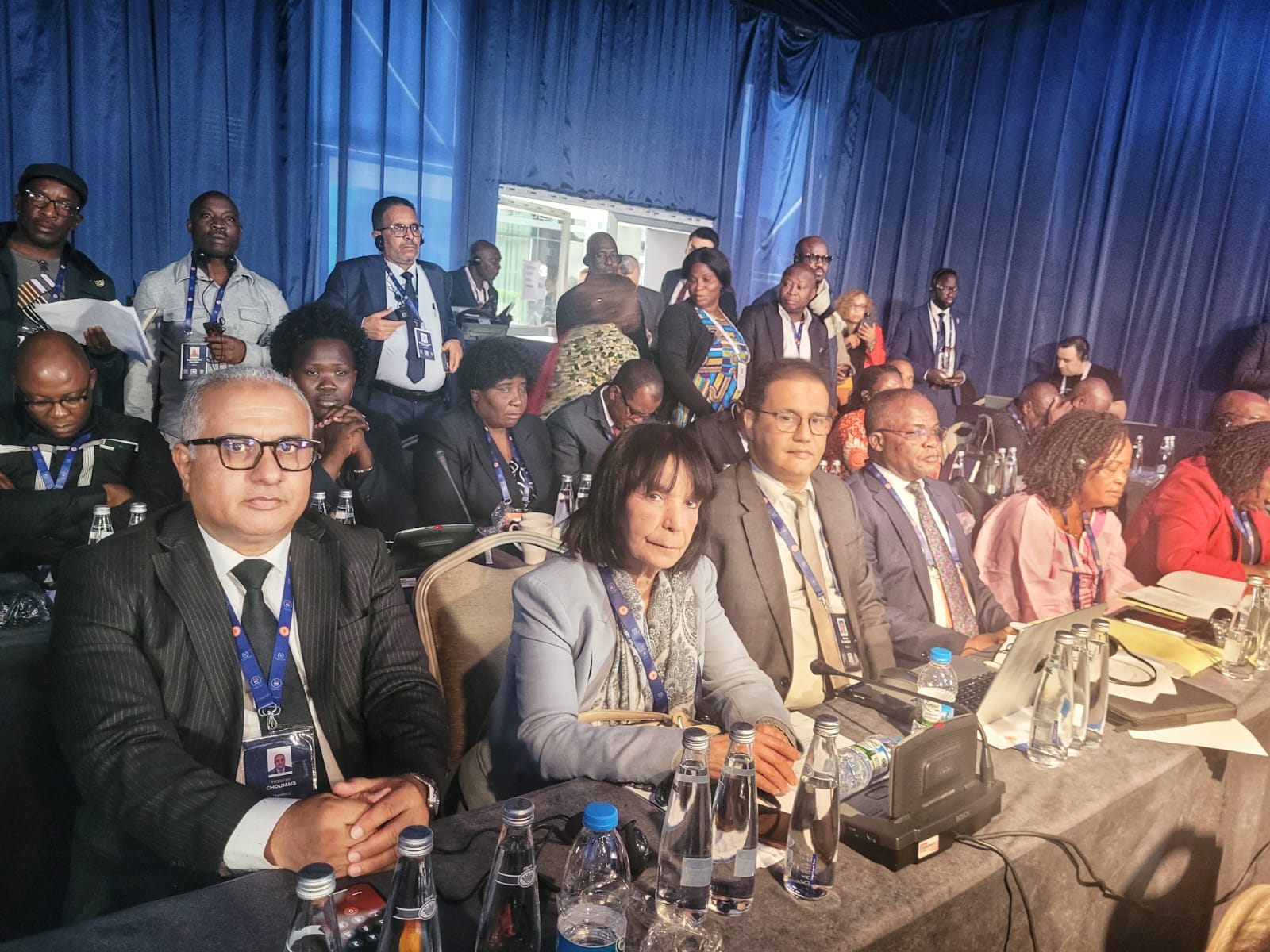
في سياق دولي يتسم بتصاعد النزعات الحمائية وتشديد القيود على المبادلات التجارية، برز الدور المتقدم للمؤسسة التشريعية المغربية في الدفاع عن انفتاح الاقتصاد الوطني وتعزيز تنافسيته، وذلك خلال مشاركة المغرب في أشغال الجمعية العامة الـ152 للاتحاد البرلماني الدولي المنعقدة بإسطنبول ما بين 15 و19 أبريل.
وفي هذا الإطار، قدم المستشار البرلماني حسن شميس عرضا شاملا أمام لجنة التنمية المستدامة، سلط فيه الضوء على حزمة من الإصلاحات التي باشرها البرلمان المغربي بتنسيق مع الحكومة، والتي تروم بالأساس تخفيف العبء الجمركي على عدد من المواد الأساسية، في خطوة تستهدف دعم القدرة الشرائية للمواطنين وتحفيز دينامية السوق الوطنية، انسجاما مع مضامين قانون المالية لسنة 2025.
وأوضح شميس أن هذه الإصلاحات لم تقتصر على الجانب الجمركي، بل شملت أيضا ورشا عميقا لإعادة هيكلة المنظومة الجبائية، من خلال تقوية آليات التصدي للتهرب الضريبي وإدماج القطاع غير المهيكل ضمن الدورة الاقتصادية المهيكلة، عبر اعتماد حلول رقمية حديثة لتتبع الأنشطة والمعاملات.
وفي هذا الصدد، أشار إلى إحداث نظام متطور لمراقبة المنتجات البترولية بشراكة مع وزارة الانتقال الطاقي، إلى جانب مراجعة الضريبة على الدخل والضريبة على القيمة المضافة، ورفع سقف الإعفاء الضريبي بما ينعكس إيجابا على الطبقة المتوسطة.
كما أبرز المتحدث انخراط البرلمان في تعزيز التعاون الدولي في المجال الضريبي، من خلال المصادقة على سلسلة من الاتفاقيات الثنائية الرامية إلى تفادي الازدواج الضريبي ومحاربة التهرب، شملت دولا إفريقية من بينها التشاد وبوروندي وغانا وبنين، في إطار التزام المغرب بتفعيل اتفاقية منطقة التبادل الحر القارية الإفريقية وتكريس شراكات اقتصادية متوازنة داخل القارة.
وفي معرض حديثه عن التحولات الاقتصادية العالمية، حذر شميس من التداعيات المتزايدة للسياسات الحمائية على الاقتصاديات الناشئة، مؤكدا أن البرلمان المغربي عبر في أكثر من مناسبة عن انشغاله إزاء هذه الظاهرة، لما لها من آثار مباشرة على تفاقم العجز التجاري وتقليص فرص الولوج إلى الأسواق الدولية.
وانعقدت أشغال هذا الحدث البرلماني الدولي بمشاركة وفد مغربي وازن يقوده رئيس مجلس المستشارين محمد ولد الرشيد، إلى جانب عدد من أعضاء الشعبة البرلمانية الوطنية، في تأكيد على الحضور الفاعل للمغرب داخل المنتديات البرلمانية الدولية والدفاع عن قضاياه الاقتصادية والاستراتيجية.
سارة الرمشي