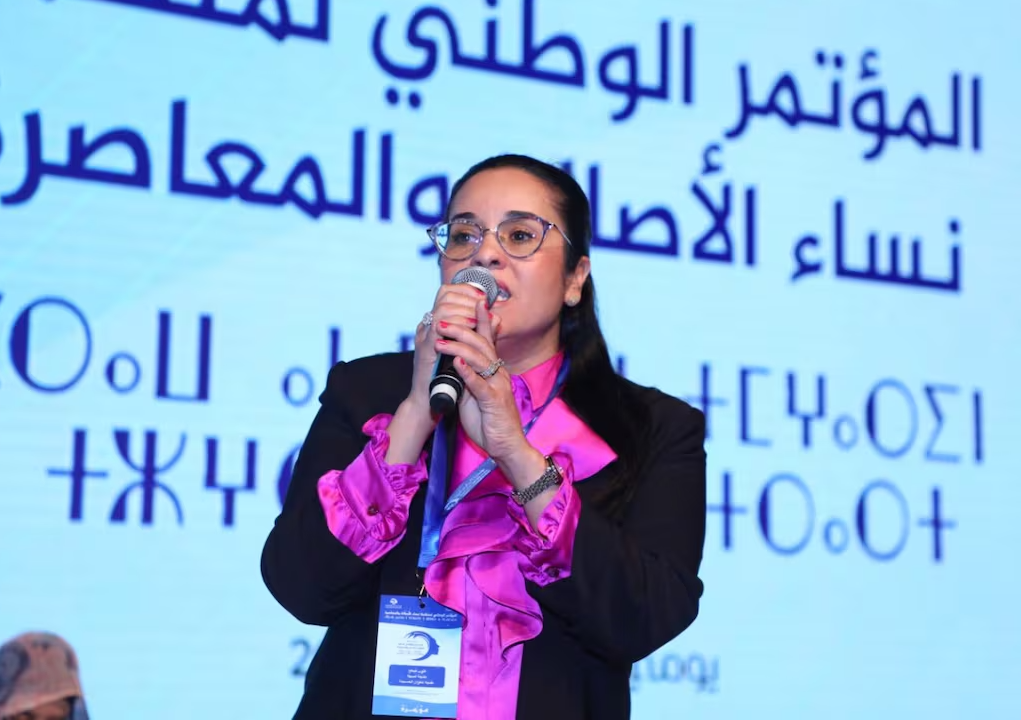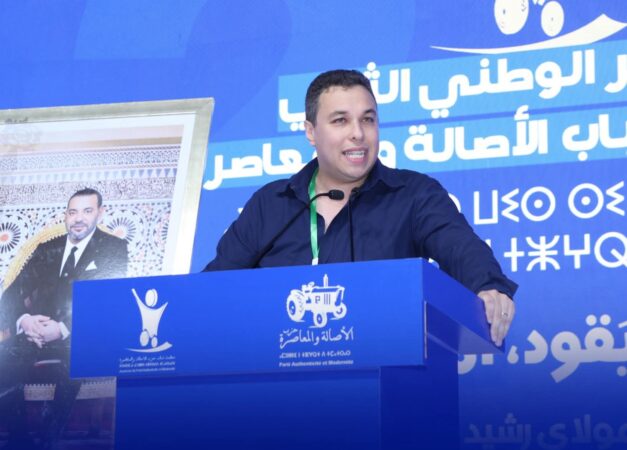

شاركت؛ عضو فريق الأصالة والمعاصرة بمجلس النواب، حورية ديدي؛ يومه الثلاثاء 19 يوليوز 2022، بروما، في اجتماع لجنة حقوق المرأة التابعة للجمعية البرلمانية للاتحاد من أجل المتوسط، وقدمت مداخلة مهمة تطرقت فيها للمكانة المتميزة التي حظيت بها المرأة من طرف جلالة الملك محمد السادس نصره الله، وطالبت بسن تشريعات وقوانين منصفة لمعاقبة الجناة والمغتصبين، وفتح الحدود بين دول المغرب العربي قصد التعاون فيما بينها لتقوية دور المرأة في كل المجالات.
واستعرضت في كلمة لها الدور الذي حظيت به المرأة المغربية بفضل دعم جلالة محمد السادس، حيث تمكنت من الولوج لمراكز القرار وإخراج قوانين تصب في صالح تحسين وضعيتها، من قبيل: “مدونة الأسرة” و “قانون محاربة العنف ضد النساء” و “مدونة الشغل”، مشيرة إلى أنه لازالت هناك مجهودات لابد في هذا الموضوع، خاصة وأن القرار الأممي عدد 1325 بشأن المرأة والسلام والأمن، منذ صدوره سنة 2000، اعترضته مجموعة من صعوبات في اعتماده من طرف معظم الدول، مع اندلاع النزعات المسلحة الدولية والداخلية، وكان اَخرها الحرب الروسية الأوكرانية ما عمق من ماَسي النساء وأدى إلى نزوح مهاجرات قصراً.
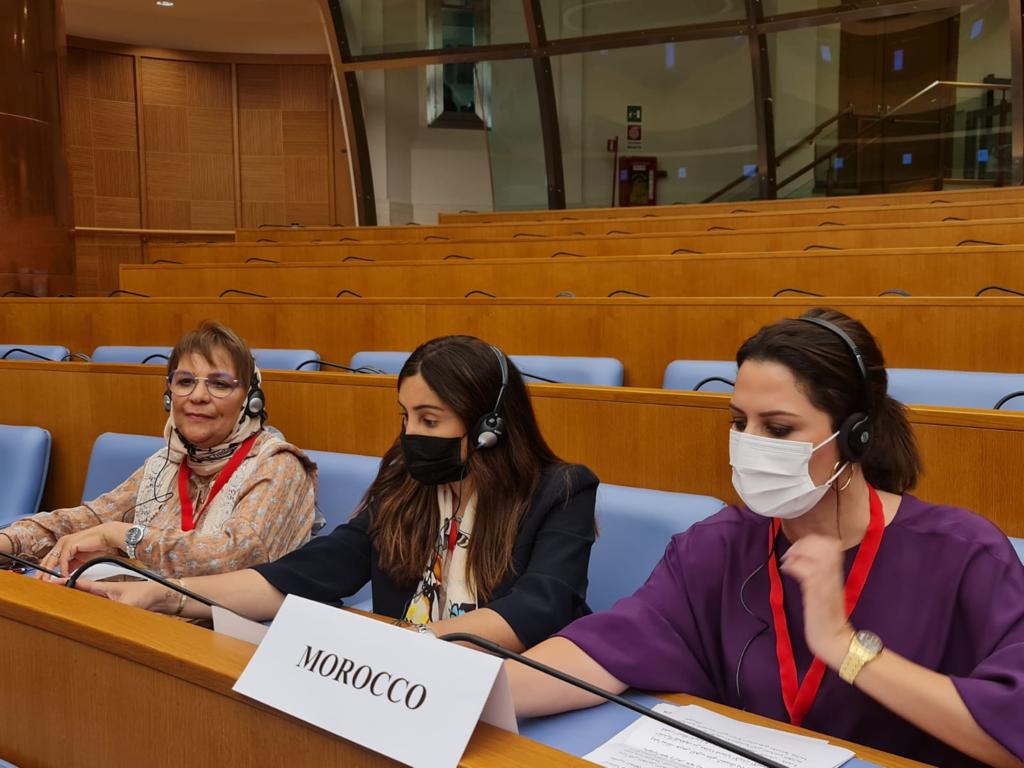
ومما سبق ذكره، شددت ديدي، على ضرورة وضع اَليات وميكانيزمات أكثر فعالية من خلال سن تشريعات وقوانين منصفة وأكثر حمائية ومعاقبة الجناة والمغتصبين وجبر الضرر للضحايا، وفتح الحدود بين الدول قصد التعاون فيما بينها مثل دول المغرب العربي، بالإضافة إلى تقوية دور الإعلام في نشر الحقائق عن وضعية المرأة في بؤر التوتر.
يشار إلى أن جدول أعمال اللجنة تضمن اعتماد محضر اجتماع 3 ديسمبر 2021، بشان تبني مسودة توصيات ،”بشأن تغيرات المناخ والسياسات الجنسانية” وتبادل الرؤى حول “دور المرأة في الصراعات”؟، حيث تمحور النقاش في الجلسة الأولى عن موضوع “المرأة والصراعات الاجتماعية “، وبالجلسة الثانية حول: “المرأة في الصراعات المسلحة “والجلسة الثالثة هم “المرأة على طاولة السلام “.
خديجة الرحالي