
شاركت السيدة النائبة حياة بوفراشن، نائبة رئيس مجلس النواب، رفقة وفد برلماني من مجلس النواب ومجلس المستشارين، يومي 08 و 09 أكتوبر الجاري، بمدينة بالي بأندونيسيا، في الاجتماع الرفيع المستوى لأعضاء “شبكة البرلمانيين بالبنك الدولي وصندوق النقد الدولي”، والذي ينعقد تحت شعار “ تنمية الرأسمال البشري“.
ويندرج اللقاء في إطار الاجتماع السنوي المشترك بين البنك الدولي وصندوق النقد الدولي، و يعرف حضور 3500 مشارك من خبراء، ووزراء المالية، ومسؤولين حكوميين، ومسؤولي البنك الدولي وصندوق النقد الدولي، وبرلمانيين، وممثلين عن المجتمع المدني.
في مداخلة للسيدة حياة بوفراشن، في موضوع “الإدماج الاقتصادي للشباب والمرأة”، جاءت في إطار التفاعل مع العرض الذي قدمته السيدة Christine Lagarde المديرة التنفيذية لصندوق النقد الدولي، والسيدة kristalina Georgieva الرئيسة التنفيذية للبنك الدولي، أبرزت حياة بوفراشن العـوائـق والتحديـات السوسيوثقافية والسوسيو – اقتصادية التي تحول دون استفادة الشباب والنساء من الطفرة الاقتصادية والتنموية التي يعرفها المغرب. و تساءلت بالمقابل عن “الإجراءات العملية والتفضيلية التي ينوي البنك الدولي القيام بها من أجل تثمين الثروة البشرية التي تتشكل من فئة الشباب والمرأة، والتي تبقى خارج حسابات المؤسسات المالية التي تراهن على الرقمنة والتكنولوجيا للرقي بالرأسمال البشري، في حين أن البلدان النامية لازالت تتصارع مع آفة الأمية”.
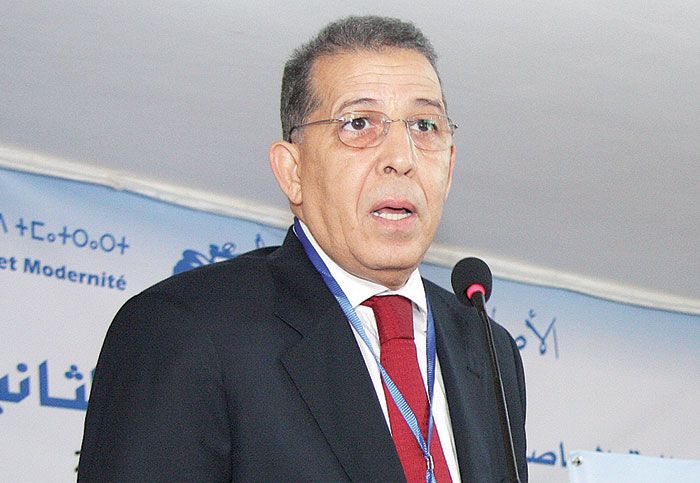
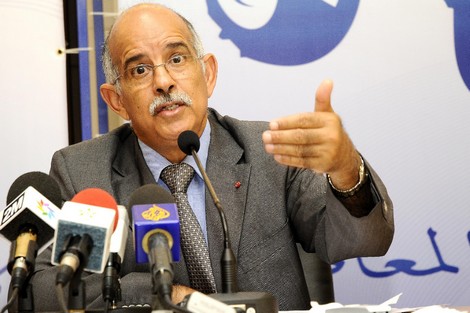
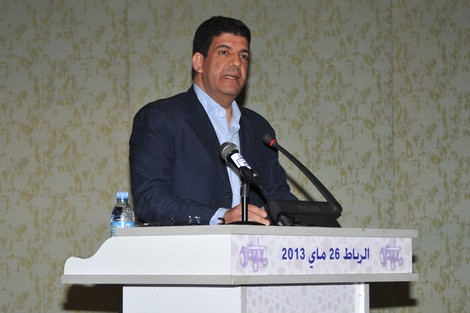
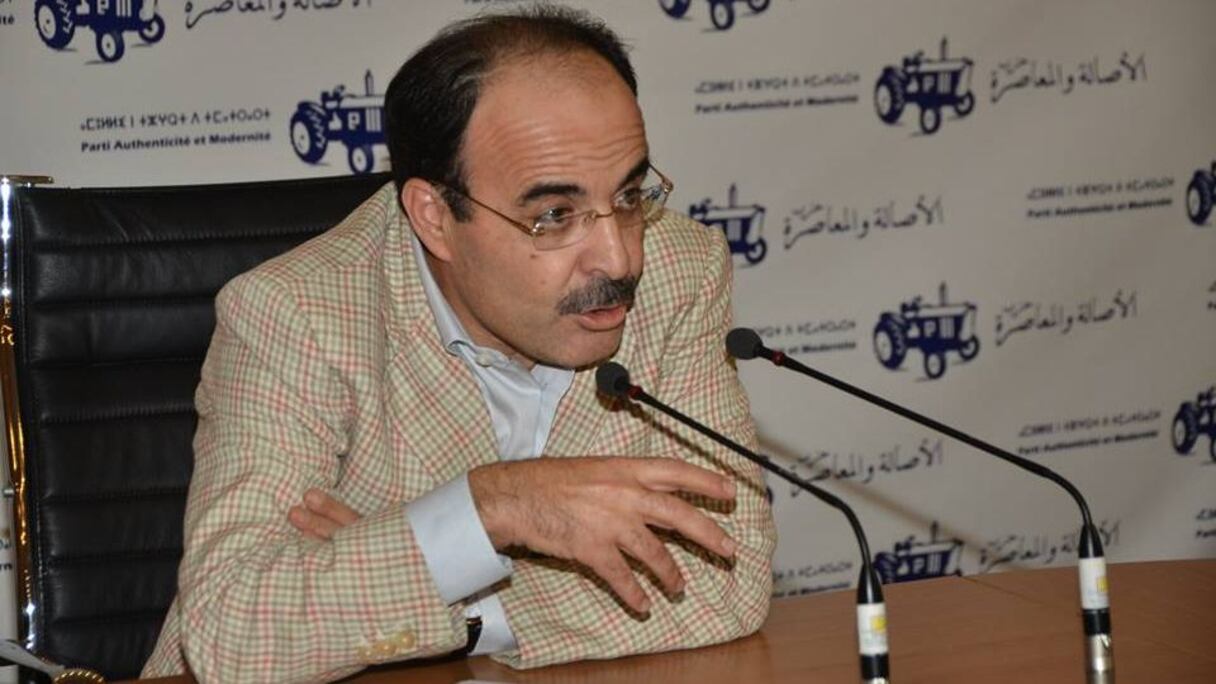
أعضاء الوفد البرلماني المغربي الذي ضم بالإضافة إلى السيدة حياة بوفراشن، كلا من السيد ادريس الصقلي عدوي، رئيس لجنة مراقبة المالية العامة بمجلس النواب، والسادة محمد الولاف ولحسن حداد عن مجلس النواب ؛ والسيد رحال المكاوي، برلماني عن مجلس المستشارين ورئيس لجنة المالية به؛ أكدوا في مداخلاتهم أن “المغرب يؤمن أن الاستثمار في الرأسمال البشري واللامادي يعتبر أهم رافعة اقتصادية لتحقيق النمو المستدام « Sustainable Growth » وذلك عبر الاستثمار في التعليم والصحة والتركيز على محاربة الرشوة والفساد وتحقيق العدالة الاجتماعية”، ودعوا المؤسستين الماليتين لمراقبة التحويلات المالية غير الشرعية ومحاربة غسل الأموال.
كما أوضح أعضاء الوفد المغربي أن “مسألة التشغيل عملية جد معقدة ومركبة ينبغي مقاربتها على مستويين: المستوى الأول، عرضي مرتبط بنسبة النمو وبمناخ الأعمال؛ والمستوى الثاني، يتعلق بملائمة التكوين مع حاجيات سوق الشغل، مع التأكيد على أن المفهوم الحقيقي للتنمية يتمثل في تنمية الإنسان من خلال الإنسان، ومن أجل الإنسان”.
وأبرز المتدخلون المغاربة أن الصعوبات التي تعترض المقاولات الصغرى والمتوسطة المبتكرة في الدول النامية ترجع في جزء منها لعدم توفرها على المعطيات الرقمية التي تستحوذ عليها كبريات الشركات العالمية وهو ما يؤدي إلى تمركز المهن العالية الخبرة في الدول المتقدمة. الشيء الذي يلقي على المؤسسات المالية الدولية مسؤولية خلق أجواء تسهل الولوج للمعلومات وتقوي تنافسية اقتصاديات الدول النامية.